

11 Oct What Trial-Ready Means When HL Law Group Takes On a Florida Car Crash Claim
How HL Law Group Builds Fort Lauderdale Car Crash Claims for Trial
Being "trial-ready" means that HL Law Group, P.A. builds your car accident claim from day one as if a Broward County jury will decide it. If you were hurt in a crash in Fort Lauderdale, you may already know the insurance company is not on your side. A Fort Lauderdale car accident attorney who prepares every case for court changes how insurers look at your claim.
Settling is often the right outcome, but a fair settlement usually depends on how ready you are to go to trial. This guide explains what trial preparation involves under Florida law and how HL Law Group, P.A. handles each step.
You do not have to deal with the insurance company alone. Reach out to HL Law Group, P.A. today by calling (954) 713-1212 or contact us now for a free consultation so we can start protecting your claim.
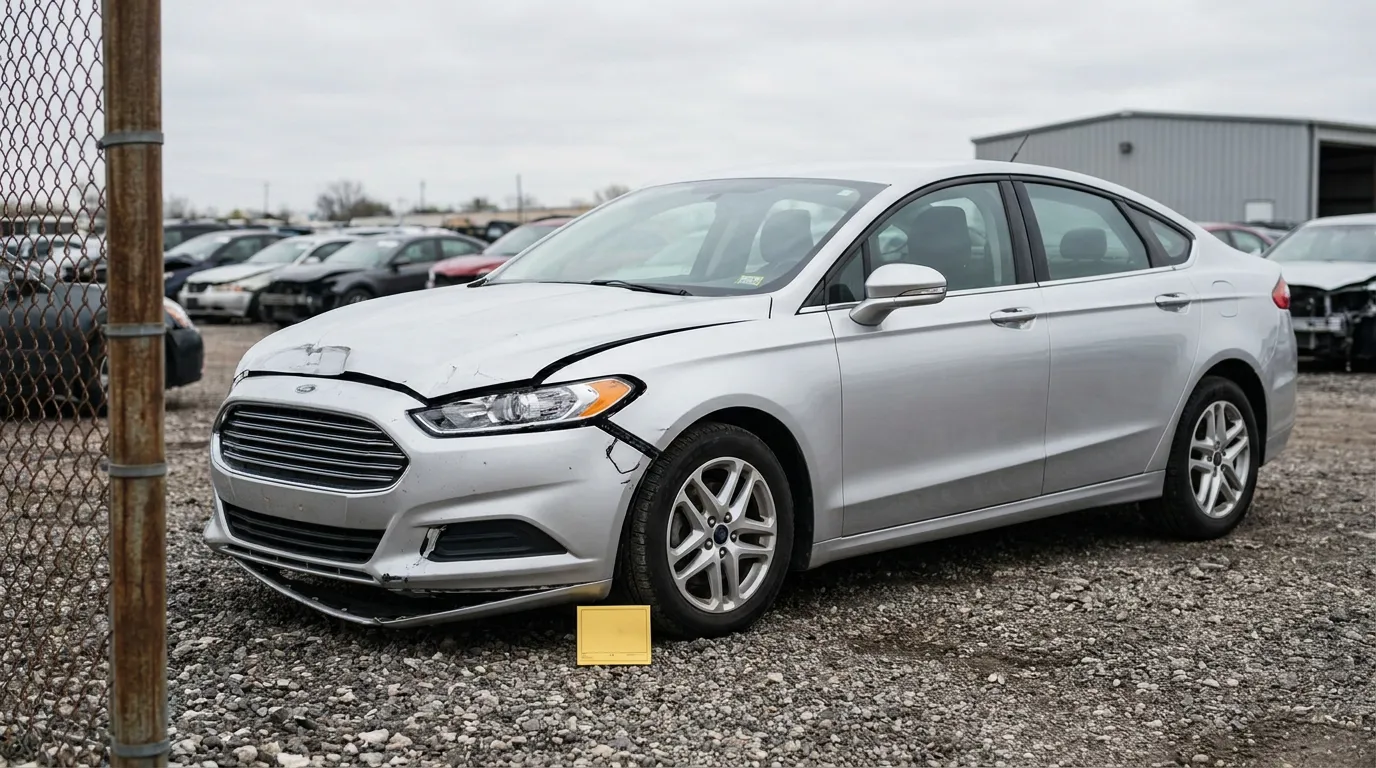
Why Insurers Respond Differently to Trial-Ready Cases
Insurance companies look at risk, and a lawyer who is ready for court raises that risk for them. If an adjuster thinks a claimant will take any number offered, a lowball offer costs the insurer nothing. If the file shows organized evidence, reconstruction analysis, and medical documentation, the insurer has to consider what a jury might award.
Florida law also holds insurers to standards of conduct when they handle claims. The Florida Insurance Code prohibits unfair claim settlement practices, and Fla. Stat. § 624.155 requires insurers to try in good faith to settle claims when they could and should have done so. These duties mainly protect the insurer’s own policyholder and are enforced through regulatory oversight and, in some cases, civil remedies with strict procedural requirements. An injured person generally cannot sue the at-fault driver’s insurer directly before getting a judgment.
HL Law Group, P.A. challenges low insurance offers and negotiates for settlements that reflect the true value of a client’s damages. If a fair settlement cannot be reached, the firm prepares the case for trial and presents arguments in court.
💡 Pro Tip: Do not give a recorded statement to the at-fault driver’s insurer before you speak with a lawyer. Insurers can use offhand comments to argue for a smaller payout later.
The Building Blocks of a Trial-Ready Car Accident Claim
Preparing for trial starts with evidence, and evidence fades fast. Skid marks wear away, surveillance video gets erased, and witnesses forget details.
Evidence HL Law Group Works to Secure Early
HL Law Group works with accident reconstruction professionals, medical professionals, and experienced investigators to build car accident cases. Depending on the facts, that work may include:
- Police crash reports and dispatch records
- Medical records showing diagnosis, treatment, and future care needs
- Witness statements taken while memories are fresh
- Traffic camera, dashcam, or nearby business surveillance footage
- Vehicle damage analysis and accident reconstruction findings
- Records of lost wages and reduced earning capacity
Each item helps answer the questions a jury will ask: who caused the crash, how badly you were hurt, and what your losses are worth. Florida’s crash report privilege generally keeps drivers’ statements to police from being used as evidence at trial, so independent evidence matters. You can learn more in our guide on what makes a case worth pursuing.
Starting With PIP and Moving to the Liability Claim
Most Florida crash claims begin with personal injury protection coverage. Under Fla. Stat. § 627.736, PIP generally pays 80 percent of reasonable medical expenses and 60 percent of lost income, up to $10,000 total, no matter who was at fault. You generally must get initial treatment within 14 days, and benefits are limited to $2,500 unless a qualified provider finds an emergency medical condition.
PIP is often only the first step, and it is frequently disputed. HL Law Group, P.A. handles PIP denial and underpayment disputes throughout Broward County. You can generally pursue the at-fault driver for economic losses PIP does not cover. To recover pain and suffering damages, however, you must meet Florida’s permanent injury threshold under Fla. Stat. § 627.737(2).
💡 Pro Tip: Get medical care quickly after a crash. Gaps in care give insurers an opening to argue that your injuries are minor or unrelated.
Fighting Fault Allocation Under Florida’s Comparative Negligence Law
Comparative fault is one of the most common reasons insurers make low offers in Florida. Under Fla. Stat. § 768.81(6), which applies to negligence claims arising on or after March 24, 2023, "any party found to be greater than 50 percent at fault for his or her own harm may not recover any damages." If you are found 50 percent or less at fault, your damages are reduced by your percentage of fault. For earlier claims, Florida’s pure comparative fault rule generally applies.
This rule gives insurers a strong reason to shift blame onto you. An adjuster might claim you were speeding, distracted, or braked too suddenly. Moving your share from 40 percent to 51 percent could wipe out your recovery entirely. You can read the full text of Florida’s comparative fault statute on the Florida Senate website.
A trial-ready approach means being prepared to contest fault in court, not just in a phone call with an adjuster. Reconstruction analysis, physical evidence, and witness testimony can all push back on an inflated fault percentage.
The Dangerous Instrumentality Doctrine and Other Sources of Recovery
Florida’s dangerous instrumentality doctrine generally allows a vehicle owner to be held liable when someone they allowed to use the car causes a crash through negligence. This can matter a great deal when the driver has little or no insurance. Limits and exceptions apply. Fla. Stat. § 324.021(9)(b) caps the liability of certain rental and leasing companies and of individual owners who lend a vehicle to a permitted driver. Federal law (the Graves Amendment) also generally protects rental and leasing businesses that were not negligent themselves.
Statutory Backstops That May Expand Available Compensation
Several Florida statutes work alongside the doctrine to identify additional sources of payment. Under Fla. Stat. § 627.733(4), an owner required to carry security who "fails to have such security in effect at the time of an accident shall have no immunity from tort liability, but shall be personally liable for the payment of benefits."
Drunk-driving crashes may involve higher coverage requirements. Fla. Stat. § 324.023 requires certain drivers convicted of DUI to show they can pay $100,000 for bodily injury to or death of one person, $300,000 per crash, and $50,000 for property damage. Not every at-fault driver will have met this requirement, so a firm preparing for trial looks into every possible policy and responsible party.
💡 Pro Tip: Write down the name of the vehicle’s owner if it differs from the driver’s. That detail may open another route to compensation.
What HL Law Group’s Credentials Mean for Your Claim
HL Law Group, P.A. is licensed to practice in Florida and New York, with offices in Fort Lauderdale and New York City. For a Broward County crash victim, the Fort Lauderdale office means local knowledge of the courts, insurers, and roadways where these cases come from.
The firm’s personal injury practice covers auto and motorcycle accidents, truck and commercial vehicle accidents, and wrongful death and catastrophic injury claims. That range helps when a crash involves a commercial vehicle, several insurers, or life-altering injuries. You can explore how the firm handles these matters on our car accident practice page.
Protecting Your Deadline Under Florida’s Statute of Limitations
Under Florida law, you generally have two years to file a negligence lawsuit for crashes on or after March 24, 2023. Fla. Stat. § 95.11 provides that "an action founded on negligence" must be brought within two years. Earlier negligence claims generally had a four-year deadline. You can review the Florida limitations periods statute directly.
Insurers know this deadline, and slow negotiations can quietly use up your time. HL Law Group’s attorneys make sure filings are accurate and submitted before the statute of limitations expires. Claims against government entities are governed by Fla. Stat. § 768.28, which requires written notice to the agency and the Department of Financial Services before you can file suit, and these claims have their own deadlines and damage caps.
💡 Pro Tip: Mark the date of your crash on a calendar and count forward two years. Then talk with a lawyer well before that date, because trial preparation takes months, not days.
Why You Should Choose HL Law Group, P.A.
Choosing a lawyer is a decision about who will stand behind your claim if the insurer refuses to be fair. HL Law Group, P.A. offers injured South Floridians:
- A trial preparation approach that includes complex discovery and courtroom advocacy when needed
- Working relationships with accident reconstruction professionals, medical professionals, and investigators
- Experience handling PIP denials and underpayments throughout Broward County
- Careful attention to filing deadlines so your rights are preserved
- A Fort Lauderdale office backed by licensure in both Florida and New York
Every case is different, and results depend on the facts.
Frequently Asked Questions
Common Questions About Car Accidents in Fort Lauderdale, Florida
1. Does trial-ready mean my case will definitely go to trial?
No. Many car accident claims settle before trial. Preparing for trial strengthens your negotiating position, and the decision to settle or go to court stays with you after you consider your attorney’s advice.
2. What if the insurer says I was mostly at fault?
For negligence claims arising on or after March 24, 2023, Fla. Stat. § 768.81(6) bars recovery if you are found more than 50 percent at fault. A fault percentage proposed by an insurer is not final. Only a judge or jury can make a binding fault decision.
3. Can I still recover if the driver did not own the car?
Possibly. Florida’s dangerous instrumentality doctrine may make the owner liable for a permitted driver’s negligence, subject to statutory limits and exceptions.
4. What should I do if my PIP claim was denied?
Keep the denial letter and all of your medical records, then talk with an attorney. Before filing a PIP lawsuit, Florida generally requires a written pre-suit demand letter.
5. How long do I have to file a lawsuit?
Fla. Stat. § 95.11 generally allows two years for negligence claims arising on or after March 24, 2023. Claims against government entities involve pre-suit notice requirements, so acting early is important.
Putting Trial Preparation to Work for Your Recovery
Being trial-ready means building your claim with evidence, strategy, and attention to deadlines so that the insurer has to deal with its real value. From PIP disputes and comparative fault arguments to the dangerous instrumentality doctrine and the two-year filing deadline, Florida law has many points where preparation makes a difference.
Your recovery deserves a team that is ready for every stage of your claim. Call HL Law Group, P.A. at (954) 713-1212 or schedule your free case evaluation today.
Disclaimer: This content is for informational purposes only and is not legal advice. Every case is unique, and results may vary. Consult an attorney about your specific circumstances.
Sorry, the comment form is closed at this time.