
04 Jul What Is Pain and Suffering in a Fort Lauderdale Injury Case?
Understanding Non-Economic Damages After a South Florida Accident
Key Takeaways: Pain and suffering is a codified, compensable non-economic loss under Florida law alongside emotional distress, loss of enjoyment of life, disfigurement, and loss of consortium. Florida’s no-fault PIP system requires meeting the serious injury threshold, such as permanent injury or significant scarring, before suing for these damages. Attorneys value pain and suffering using the multiplier or per diem method, supported by medical records and testimony. Florida’s modified comparative fault rule can reduce your recovery proportionally or bar it entirely if you are more than 50 percent at fault. Most injury claims must be filed within two years, making prompt action essential.
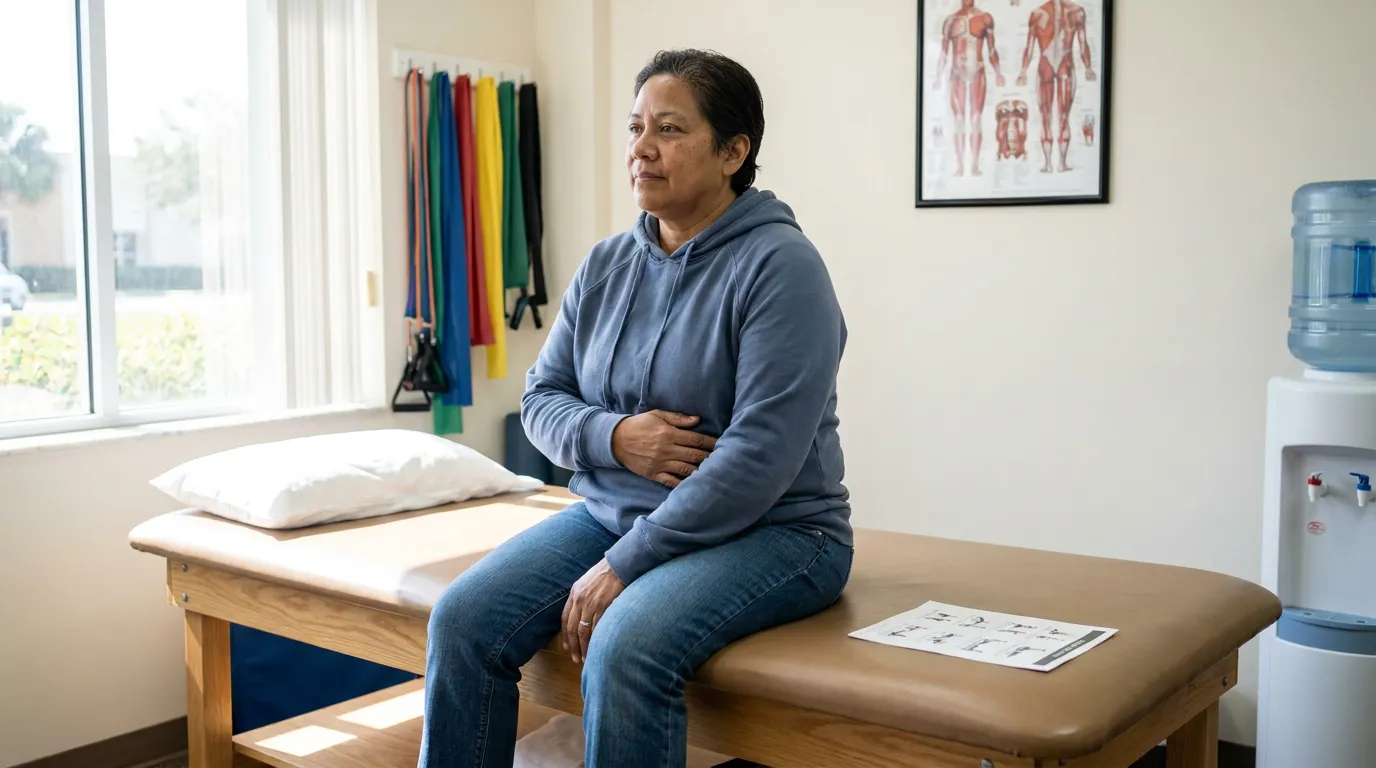
Pain and suffering refers to the physical discomfort and emotional toll an injury inflicts on a victim, and it sits at the heart of most serious injury claims in Fort Lauderdale. Unlike hospital bills or missed paychecks, these losses do not come with receipts, yet they are real, compensable, and recognized under Florida law. Non-economic damages cover pain and suffering, emotional distress, loss of enjoyment of life, disfigurement, and loss of consortium. Understanding how this category works can help you protect the full value of your claim.
If you are weighing your options after an injury, the team at HL Law Group, P.A. is ready to help. Call our Fort Lauderdale office at (954) 713-1212 or reach out through our contact page to schedule a free case evaluation.
What Florida Law Recognizes as Pain and Suffering
Pain and suffering is a codified, compensable loss in Florida, not a vague or invented concept. Florida’s wrongful death and injury statutes explicitly treat mental pain and suffering as recoverable harm. Under Florida law, surviving spouses, minor children, and parents of deceased minor children can all recover for mental pain and suffering from the date of injury. This statutory foundation gives injured people clear legal basis to pursue compensation beyond out-of-pocket costs.
The statute draws a firm line between economic and non-economic harm. Florida Statute 768.81(b) defines economic damages to include past lost income and future lost income reduced to present value; medical and funeral expenses; lost support and services; replacement value of lost personal property; loss of appraised fair market value of real property; costs of construction repairs, including labor, overhead, and profit; and any other economic loss that would not have occurred but for the injury giving rise to the cause of action. Because pain and suffering falls outside that definition, it is treated as distinct, non-economic compensation in Fort Lauderdale injury cases.
💡 Pro Tip: Keep a daily journal documenting your pain levels, missed activities, and emotional struggles. This contemporaneous record can become persuasive evidence when a jury evaluates your non-economic losses.
The Serious Injury Threshold You Must Meet
Florida’s no-fault system limits when you can recover pain and suffering, so meeting the injury threshold is critical. Under Florida’s Personal Injury Protection framework, your right to sue an at-fault driver for non-economic losses depends on injury severity. Motor vehicle owners and operators are generally exempt from tort liability for bodily injury to the extent PIP benefits are payable, unless the injured person meets the serious injury threshold. You can review the controlling language in Florida’s no-fault statute.
To unlock pain and suffering compensation, your injury must satisfy one of the statutory categories. Section 627.737(2) sets out these thresholds with precision. The recognized categories include:
- A significant and permanent loss of an important bodily function
- A permanent injury within a reasonable degree of medical probability
- Significant and permanent scarring or disfigurement
Defendants frequently challenge whether plaintiffs clear this threshold. This is a common pressure point in litigation where strong medical evidence matters most. A defendant can file a motion challenging whether the plaintiff meets the threshold, and the court may dismiss the claim without supporting evidence. A knowledgeable personal injury lawyer Fort Lauderdale residents trust can help assemble the necessary documentation.
How Pain and Suffering Fort Lauderdale Damages Are Calculated
There is no fixed formula in Florida statutes for valuing pain and suffering, so attorneys and insurers typically rely on two common methods. Each approach offers a different lens for translating intangible suffering into a dollar figure.
The multiplier method ties your suffering to measurable financial losses. It is widely used in serious cases where economic damages are substantial. The multiplier method calculates non-economic damages by multiplying total economic damages by a factor typically ranging from 1.5 to 5, based on injury severity, recovery length, and long-term impact.
The per diem method assigns a value to each day you live with the injury. This works well when recovery has a foreseeable end point. The per diem method assigns a daily monetary value to the victim’s suffering, multiplied by the number of days the victim is expected to experience pain and suffering.
| Valuation Method | How It Works | Often Used When |
|---|---|---|
| Multiplier | Economic damages times 1.5 to 5 | Severe or permanent injuries |
| Per Diem | Daily rate times days of suffering | Injuries with a defined recovery period |
💡 Pro Tip: Neither method binds a jury. In Florida, the dollar amount of general damages cannot be stated in your circuit court complaint, meaning the final figure is ultimately decided based on evidence presented.
Proving Your Non-Economic Losses
Strong, credible evidence separates well-supported claims from contested ones. Because pain and suffering is subjective, courts and insurers look for corroboration from multiple sources. Key evidence includes medical records, psychological evaluations, personal testimony, testimony from family and friends, and expert testimony. Building this record early strengthens your position during negotiations or trial.
💡 Pro Tip: Ask close friends and family to note changes they observe in your mood, mobility, or daily routine. Their firsthand observations can add powerful context to medical documentation.
How Comparative Fault Can Affect Your Recovery
Your own share of fault can reduce or eliminate your pain and suffering compensation under Florida’s revised negligence rules. In 2023, Florida shifted to a modified comparative fault standard that significantly affects injured claimants. Under FL § 768.81(6), if you are found more than 50 percent at fault, you are completely barred from recovering any damages, including pain and suffering. Those 50 percent or less at fault have their recovery reduced proportionally.
This rule makes the question of fault more consequential than ever for Broward County claimants. Insurers may try to shift blame to reduce what they owe. Understanding the broader landscape of damages after a Fort Lauderdale car accident can help you see how non-economic losses fit alongside other potential recoveries.
💡 Pro Tip: Avoid giving recorded statements to an insurance adjuster before consulting an attorney. Casual comments about the accident can later be used to argue you share fault.
Deadlines That Can Make or Break Your Claim
Florida law imposes strict time limits on filing injury lawsuits, and missing them can permanently bar your recovery. In Florida, negligence-based personal injury actions generally must be filed within two years. This two-year deadline applies to negligence claims that accrued on or after March 24, 2023, when Florida’s tort reform shortened the previous four-year window; claims that accrued before that date may still fall under the older period. You can review the timing rules under Florida’s statute of limitations for negligence actions.
In limited circumstances, that deadline may be paused, but courts interpret these exceptions narrowly. Florida law allows tolling under specific circumstances, such as when the defendant is absent from the state, uses a false name to avoid service, or is concealed so that process cannot be served. Never assume tolling will extend your deadline, consult counsel well before the two-year mark.
Frequently Asked Questions
1. Are there limits on how much I can recover for pain and suffering in Florida?
Florida does not cap most non-economic damages in standard auto injury cases. Some states have enacted strict limits, particularly in medical malpractice lawsuits. Your individual circumstances determine what applies.
2. Can I recover pain and suffering if I was partially at fault?
Yes, as long as you were not more than half at fault. Under Florida’s modified comparative fault rule, a claimant 50 percent or less at fault may still recover, though the award is reduced proportionally.
3. What types of losses fall under non-economic damages?
Non-economic damages capture the human costs of an injury. These commonly include pain, emotional distress, loss of enjoyment of life, disfigurement, and loss of consortium.
4. Can punitive damages be added to my pain and suffering claim?
Punitive damages are separate and limited in the auto insurance context. In an action against an automobile liability insurer for damages exceeding policy limits, no claim for punitive damages is allowed.
5. How do I prove my emotional distress was caused by the accident?
Linking emotional distress to the incident requires documented evidence. Psychological evaluations, consistent medical treatment, and testimony from those close to you help establish that connection. Early and continuous documentation strengthens these claims.
Protecting the Full Value of Your Injury Claim
Pain and suffering compensation can represent a substantial portion of your recovery, but it is also among the most heavily contested. From meeting the serious injury threshold to navigating comparative fault and tight filing deadlines, Florida law presents real challenges. The outcome of any claim depends on specific facts, supporting evidence strength, and how effectively your losses are presented. With thoughtful preparation and clear understanding of the law, injured Fort Lauderdale residents can pursue meaningful compensation.
If you are coping with the aftermath of a serious injury, you do not have to face insurance companies alone. Contact HL Law Group, P.A. today by calling (954) 713-1212 or requesting your free consultation online, and let our Broward County personal injury team help you understand your options and protect your future.
Sorry, the comment form is closed at this time.