
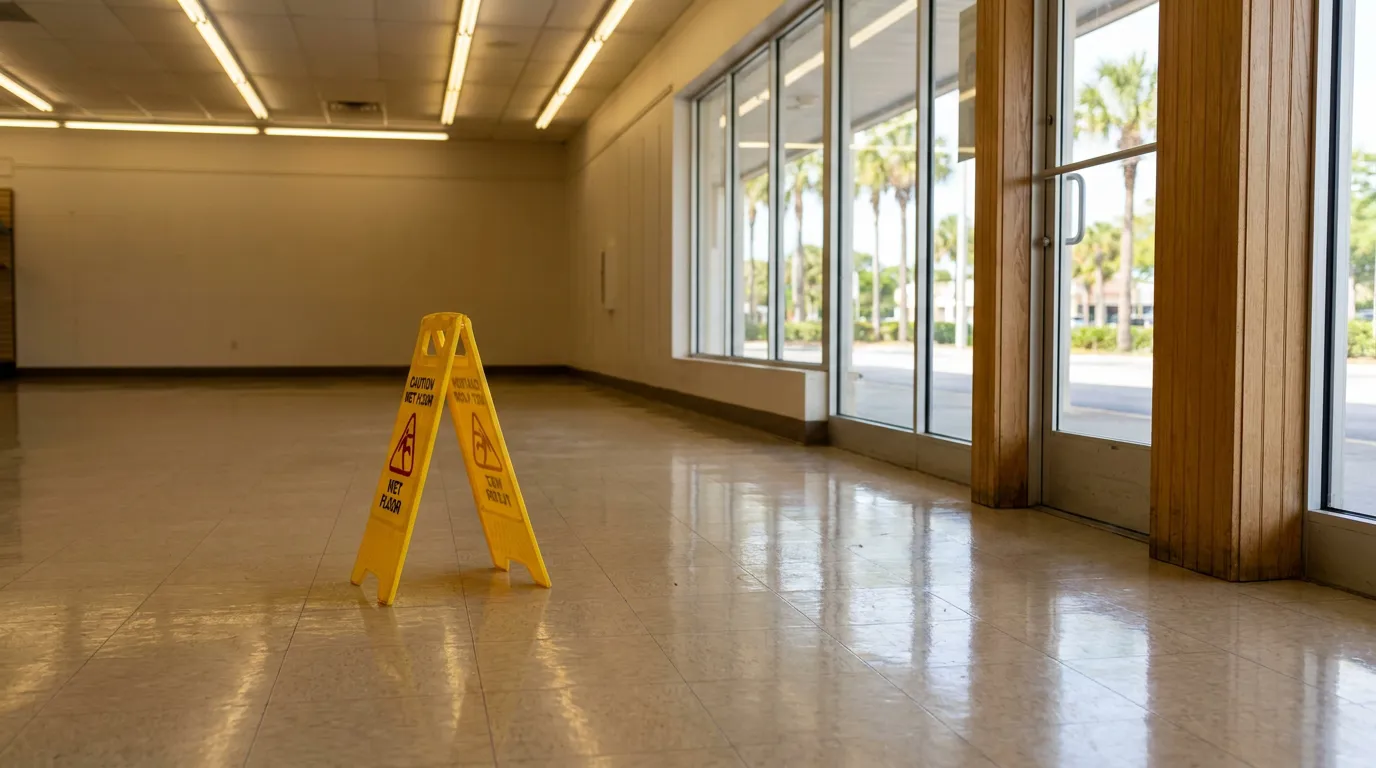
08 Aug What Is Florida’s Open and Obvious Doctrine in a Slip and Fall Case?
Slip and Fall Injuries in Fort Lauderdale and the Defense You Should Understand
Key Takeaways: Florida’s open and obvious doctrine allows property owners to argue a hazard was evident enough that a reasonable person would have seen and avoided it, potentially limiting the duty to warn. However, it doesn’t automatically defeat claims because owners owe a separate duty to maintain reasonably safe premises. Florida’s slip and fall statute (Fla. Stat. § 768.0755) preserves common-law duties while requiring plaintiffs to prove the business had actual or constructive knowledge of the dangerous condition. The duty to warn varies by legal status, with invitees owed the highest care. Comparative fault rules under Fla. Stat. § 768.81 may allow reduced recovery, though Florida’s modified comparative negligence bars plaintiffs over 50% at fault from any recovery. Preserving evidence quickly, surveillance video, maintenance logs, photographs, is essential to protecting your compensation rights.
If you were hurt on someone else’s property in South Florida, the open and obvious doctrine is one of the first defenses a property owner may raise. This doctrine allows owners to argue a hazard was so evident that a reasonable person would have seen and avoided it, potentially limiting their duty to warn. It doesn’t automatically end your claim, and understanding how it works is essential to protecting your right to recover for medical bills, lost wages, and other losses.
HL Law Group, P.A. helps injured people across Broward County fight back against defenses like this one. Contact HL Law Group, P.A. today, call (954) 713-1212, or use our free case evaluation form to speak with our team.
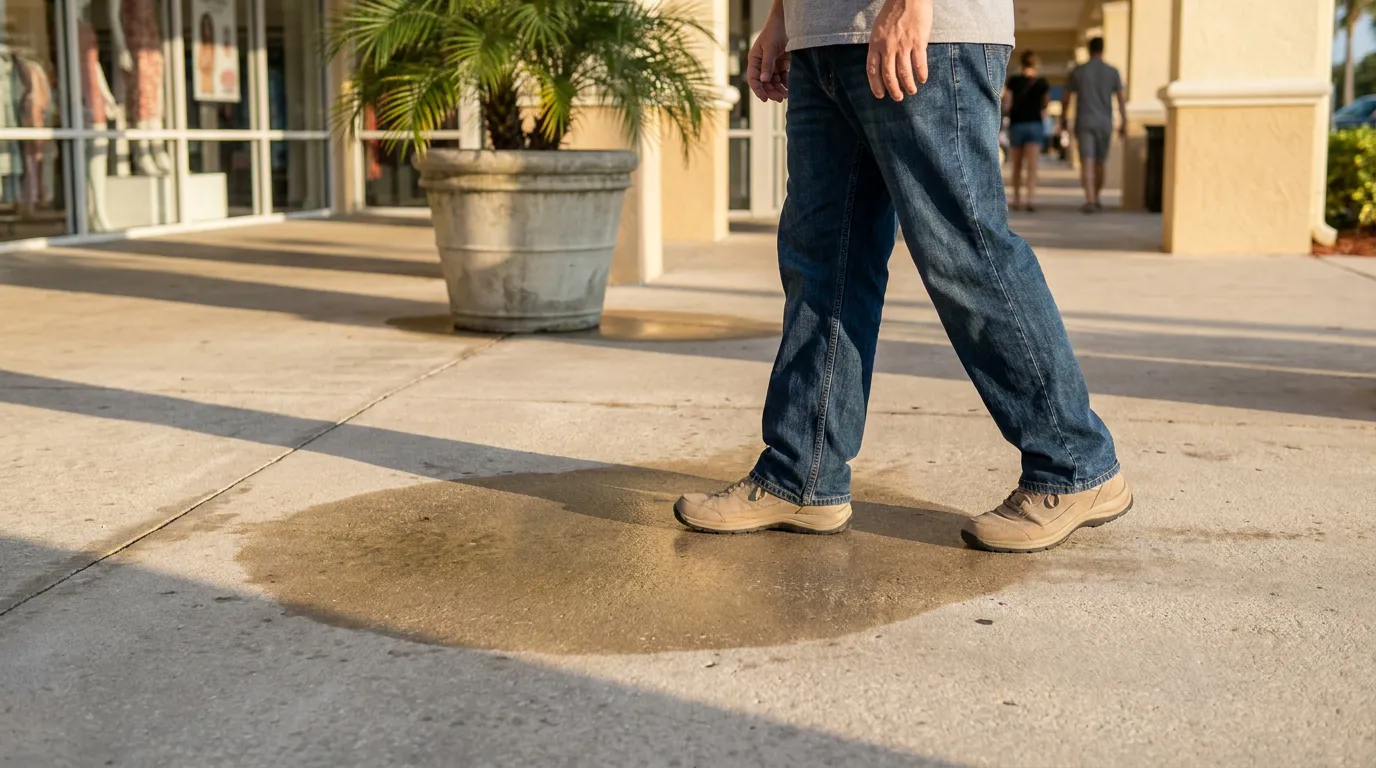
Understanding the Open and Obvious Doctrine Florida Courts Recognize
The open and obvious doctrine is a common-law defense that focuses on the property owner’s duty to warn. The owner argues the hazard was so evident that a reasonable person would have noticed and avoided it, potentially limiting liability. For example, a large, brightly colored planter in a well-lit sidewalk would likely be considered open and obvious.
This defense generally targets the duty to warn, not the duty to maintain reasonably safe premises. A hazard can be visible yet exist because the owner failed to inspect, clean, or repair the area. The doctrine doesn’t always eliminate every basis for liability. Plaintiffs can often argue the owner still breached a duty to keep premises reasonably safe.
The doctrine is one of several defenses raised in premises liability cases, alongside comparative fault, assumption of risk, and statute of limitations. Review these recognized premises liability defenses to see how they commonly fit together in contested claims.
Why the Doctrine Survives Under Florida’s Slip and Fall Statute
Florida’s slip and fall statute did not abolish common-law doctrines like open and obvious. The primary statute is Fla. Stat. § 768.0755, within Florida’s negligence chapter. Read the surrounding provisions in Florida’s negligence statutes to see the statutory backdrop.
The statute expressly preserves common-law duties owed by businesses. Section 768.0755(2) states this section doesn’t affect any common-law duty of care owed by a person or entity in possession or control of business premises. Because the open and obvious doctrine affects a landowner’s duty to warn and maintain premises, it survives under this savings clause.
This preservation cuts both ways for injured people. While the owner keeps the open and obvious defense, you keep the full protection of common-law duty of care. A skilled Fort Lauderdale slip and fall attorney can argue that a visible spill still should have been cleaned, blocked off, or marked.
The Notice Burden You Must Meet Before Open and Obvious Even Matters
In most Florida slip and fall cases, the notice fight comes before any open and obvious argument. Under Fla. Stat. § 768.0755(1), if a person slips on a transitory foreign substance in a business establishment, the injured person must prove the business had actual or constructive knowledge of the dangerous condition and should have taken action to remedy it.
Constructive knowledge can be proven with circumstantial evidence. It may be shown where the condition existed long enough that, in ordinary care, the business should have known of it, or where the condition occurred with regularity and was foreseeable.
Building this proof depends on evidence gathered quickly. Learn more about constructive notice and why timing matters. The following evidence frequently supports a notice argument:
- Surveillance video showing how long a spill remained on the floor
- Maintenance and inspection logs revealing skipped or delayed cleanups
- Incident reports and witness statements documenting the hazard
- Photographs of the substance, its spread, and any tracking through it
💡 Pro Tip: Surveillance footage is frequently overwritten within days or weeks. Sending a prompt preservation request to the business can be critical to keeping evidence that supports your notice argument.
How the Duty to Warn Scales With Your Legal Status
Florida law adjusts the duty to warn based on why you were on the property and whether the hazard was observable. Store customers are generally invitees, the category owed the highest common-law duty of care. Typical Fort Lauderdale slip and fall plaintiffs, such as shoppers or restaurant patrons, may be owed both a duty to warn of hidden dangers and a duty to keep premises reasonably safe.
Even the lowest duty spectrum reinforces the open and obvious principle. Toward an undiscovered trespasser, an owner must refrain from intentional misconduct but has no duty to warn. Toward a discovered trespasser, the duty to warn is limited to dangerous conditions known to the owner but not readily observable.
For invitees, the analysis is more favorable to injured people. The higher duty owed to customers means the open and obvious defense may reduce the duty to warn without eliminating the separate duty to maintain safe conditions. Whether that distinction helps depends on the specific facts.
Duty to Warn vs. Duty to Maintain
| Concept | What It Means for You |
|---|---|
| Duty to warn | May be limited when a hazard is open and obvious |
| Duty to maintain | Generally survives even for visible hazards |
| Notice requirement | Plaintiff must prove actual or constructive knowledge |
| Legal status | Invitees are owed the highest duty of care |
Comparative Negligence and the Open and Obvious Defense
Even when a hazard was visible, Florida law may still allow reduced compensation if you were not primarily at fault. Under Fla. Stat. § 768.81, an injured person’s damages may be reduced by their share of fault. Since the 2023 tort reform (HB 837), Florida follows modified comparative negligence: a plaintiff over 50% at fault is barred from recovering any damages.
This is why the open and obvious doctrine Florida defendants raise is often paired with comparative fault arguments. An owner may claim both that the hazard was obvious and that you failed to watch where you were walking. The practical question becomes how a jury might apportion responsibility, and whether your assigned fault stays at or below the 50% threshold.
Premises liability ultimately rests on negligence principles. Liability is based on negligence, meaning a property owner failed to meet a legal duty to keep the property reasonably safe, and that failure directly caused the injury. For dedicated guidance from a Fort Lauderdale slip and fall attorney, our team can evaluate how these defenses may apply to your circumstances.
Common Challenges Injured People Face
Slip and fall claims are rarely as simple as they first appear. Defendants and insurers often move quickly to build an open and obvious defense before you have gathered evidence. Recognizing these hurdles early can help protect your rights.
- Delays that allow surveillance video to be erased
- Insurer arguments that you should have seen the hazard
- Disputes over how long a substance was on the floor
- Comparative fault claims that shift blame onto you
💡 Pro Tip: Report the fall to a manager and request a written incident report before you leave. A contemporaneous record can make it harder for a business to later dispute the hazard existed.
Frequently Asked Questions
Below are answers to questions we often hear from injured clients across Broward County. Every situation is different, and outcomes depend on the specific facts of your case.
1. Does an open and obvious hazard automatically defeat my slip and fall claim?
Not necessarily. The open and obvious defense generally limits the duty to warn, but the property owner may still owe a duty to maintain reasonably safe premises. Recovery depends on the facts and how fault is apportioned.
2. Who has to prove the business knew about the hazard?
The injured plaintiff carries that burden. You must prove the business had actual or constructive knowledge of the dangerous condition and should have taken action to remedy it. Constructive knowledge can be shown with circumstantial evidence.
3. Can I still recover if the spill was partly my fault?
Possibly, subject to Florida’s modified comparative fault rules. Your damages may be reduced by your percentage of fault, but if you are over 50% at fault, you are barred from recovering damages.
4. What evidence helps rebut the open and obvious defense?
Evidence that the owner failed to maintain the property is central. Maintenance logs, surveillance video, and photographs can show the hazard existed long enough to be discovered and corrected. Preserving this evidence quickly is important.
5. How long do I have to file a slip and fall claim in Florida?
Florida sets deadlines through its civil statute of limitations. Because timing rules can be complex and fact-sensitive, consult a lawyer promptly rather than assuming an extension may apply.
Protecting Your Rights After a South Florida Slip and Fall
The open and obvious doctrine is a real defense, but it is not the end of your case. Florida’s slip and fall statute preserves the common-law duty of care, places a specific notice burden on plaintiffs, and works alongside comparative fault principles that can still allow reduced recovery when your share of fault doesn’t exceed 50%. Understanding how these rules interact gives you a stronger position when a business tries to blame you for your injuries.
HL Law Group, P.A. is committed to helping injured people in Fort Lauderdale and throughout Broward County pursue full and fair compensation. If a property owner is raising an open and obvious defense against you, don’t face it alone. Visit HL Law Group, P.A. to learn more, call us at (954) 713-1212, or request your free consultation through our confidential contact page today.
Sorry, the comment form is closed at this time.