

08 Sep What Is a Notice of Intent to Initiate Litigation in Fort Lauderdale?
The Letter That Legally Starts a Florida Medical Malpractice Case
Key Takeaways: A notice of intent to initiate litigation is the formal certified-mail letter Florida law requires under Fla. Stat. § 766.106(2)(a) (2021) before filing any medical malpractice lawsuit in Fort Lauderdale or Broward County. It must be accompanied by provider lists, medical records, an executed § 766.1065 authorization, and a corroborating verified medical opinion. Mailing the notice triggers a 90-day presuit screening period during which suit cannot be filed and the statute of limitations is tolled. Deadlines are strict: two years from the incident or discovery, with a four-year outer limit. Claims involving public hospitals may require separate written presentment under Fla. Stat. § 768.28(6). Incomplete records, late corroboration, or notice sent to the wrong party are common ways strong claims are lost.
Before filing a medical negligence lawsuit in Broward County, Florida law requires a formal step many injured patients never expect. Under Fla. Stat. § 766.106(2)(a) (2021), a claimant must complete a presuit investigation and notify each prospective defendant by certified mail of the intent to initiate litigation. This notice informs the doctor, hospital, or practice that a claim is coming so the incident can be investigated and potentially resolved before a complaint is filed.
If you believe a surgical error, misdiagnosis, birth injury, or medication mistake harmed you or someone you love, timing matters. The team at HL Law Group, P.A. helps patients and families across Fort Lauderdale navigate these presuit requirements. Call (954) 713-1212 or request your free case evaluation to discuss your situation.
Why Chapter 766 Requires a Notice Before You Sue
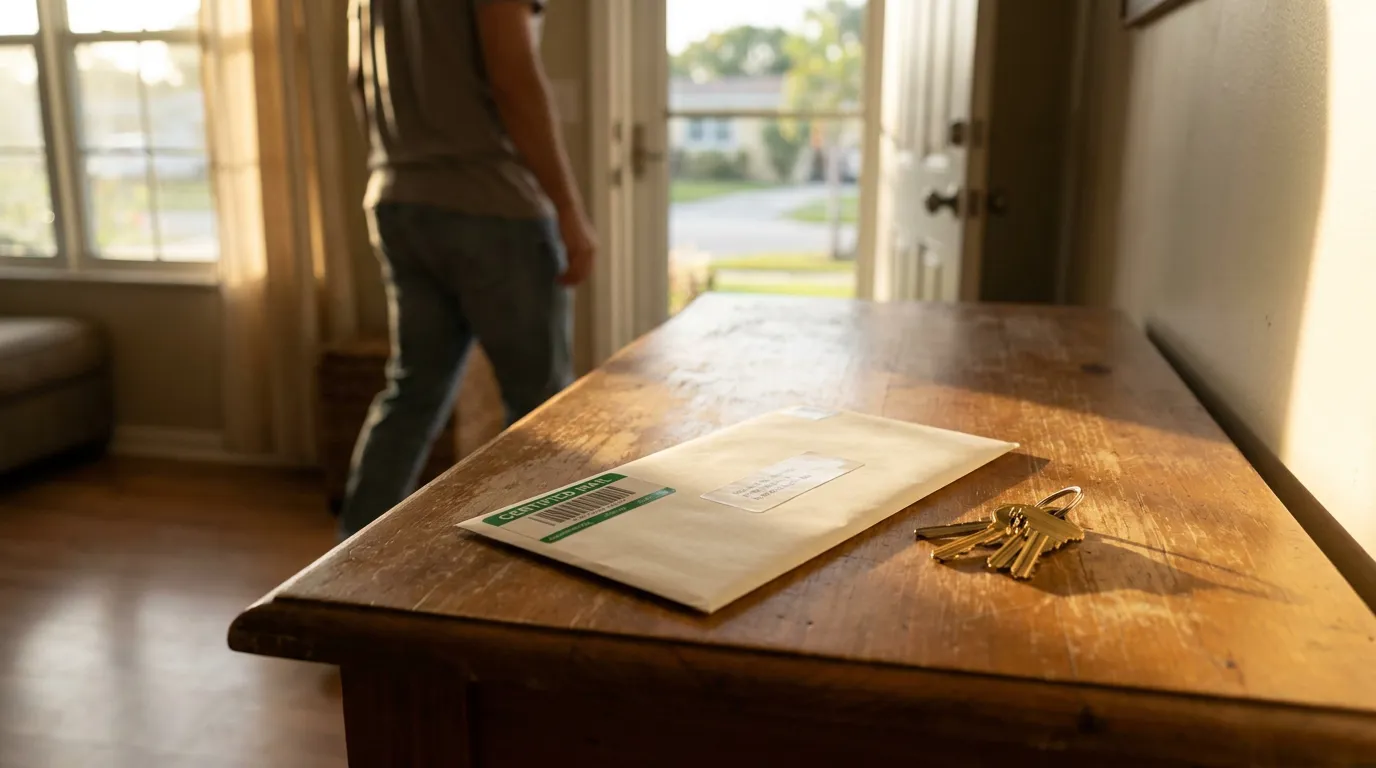
The notice gives the prospective defendant a chance to investigate and potentially settle the claim before litigation begins. Florida’s presuit scheme is designed to filter out unsupported claims early and encourage resolution of meritorious ones. For injured patients, the notice is the gateway that opens the courthouse door.
Sending the notice triggers a mandatory waiting period that reshapes the entire timeline. Under Fla. Stat. § 766.106(3)(a) (2021), no suit may be filed for 90 days after notice is mailed. During that window, the defendant conducts a liability investigation, and the statute of limitations is tolled for 90 days as to all prospective defendants. Florida courts have computed the 90-day screening period from the date the defendant receives the notice, a distinction that can matter when a deadline is close.
Understanding this structure early often changes how a claim is built. Because the presuit period is when the other side first evaluates liability, the strength of your materials may influence whether the case settles or proceeds to court. Our attorneys treat presuit as a substantive phase, not a formality, which is why patients throughout South Florida turn to a Fort Lauderdale medical malpractice attorney rather than attempting the process alone.
💡 Pro Tip: Keep the certified mail green card and any delivery confirmation. Courts may measure the screening period from receipt, so proof of the delivery date can be as important as the notice itself.
What Must Accompany a Notice of Intent to Initiate Litigation in Florida
A proper notice is far more than a letter announcing that you plan to sue. Fla. Stat. § 766.106(2)(a) (2021) requires supporting materials so the recipient can meaningfully evaluate the claim. Omitting these items can invite a challenge to the sufficiency of the notice.
The notice package must include:
- A list of all health care providers seen by the claimant for injuries complained of after the alleged negligence
- A list of providers who treated or evaluated the claimant during the two years before the alleged negligence
- Copies of the medical records relied upon by the corroborating medical opinion
- The executed authorization form required under Fla. Stat. § 766.1065
Corroboration from a qualified medical expert is central to the presuit requirements. Under Fla. Stat. § 766.203(2), the verified written opinion of a medical expert as defined in Fla. Stat. § 766.202(6) must be submitted by the claimant at the time the notice of intent to initiate litigation is mailed, to corroborate reasonable grounds to support the claim of medical negligence. Florida courts have permitted the omission to be cured in some circumstances if the opinion is supplied before the limitations period expires, though claimants should not rely on that possibility.
How Courts Evaluate Whether Notice Was Properly Given
Courts scrutinize who received the notice and in what form. Florida appellate decisions have found notice insufficient where a letter went only to a dentist’s insurer, and where a defendant’s relative was notified. By contrast, courts applying the liberal-construction approach of Kukral v. Mekras, 679 So. 2d 278 (Fla. 1996), have in some circumstances treated notice to a physician as notice to an entity with a sufficient legal relationship.
The method of delivery has been treated more flexibly. Fla. Stat. § 766.106(2)(a) (as amended effective January 2, 2023) and Florida Rule of Civil Procedure 1.650 (as amended in 2023) require that notice of intent to initiate litigation be served by at least one of the following verifiable means: (1) USPS certified mail, return receipt requested; (2) USPS mail with a tracking number; (3) an interstate commercial mail carrier or delivery service; or (4) any person authorized by law to serve process. Courts have not always demanded strict compliance where the defendant actually received timely notice. The Florida Bar Journal analysis of presuit discusses how these judicial interpretations have developed.
Deadlines That Control Your Right to File
Florida imposes strict time limits, and the notice must be served before those limits run. Under Fla. Stat. § 95.11(5)(c), an action for medical malpractice shall be commenced within two years from the time the incident occurred, or within two years from when the incident is discovered or should have been discovered with due diligence. Courts apply the discovery rule based on when a reasonable person should have known of both the injury and a reasonable possibility that it resulted from negligence.
An outer limit applies regardless of when the harm is discovered. The statute provides that in no event shall the action be commenced later than four years from the incident, except that this four-year period shall not bar an action brought on behalf of a minor on or before the child’s eighth birthday. You can review the full text of these Florida limitations statutes directly.
| Situation | Governing Provision | General Time Frame |
|---|---|---|
| Standard malpractice claim | Fla. Stat. § 95.11(5)(c) | 2 years from incident or discovery |
| Outer repose limit | Fla. Stat. § 95.11(5)(c) | 4 years from the incident |
| Minor’s claim exception | Fla. Stat. § 95.11(5)(c) | Not barred before the child’s 8th birthday |
| Fraud or concealment | Fla. Stat. § 95.11(5)(c) | Extended 2 years from discovery, capped at 7 years |
| Presuit screening | Fla. Stat. § 766.106(3)(a), (4) (2021) | 90-day screening period, with tolling |
When Concealment May Extend the Filing Window
Florida law recognizes a limited extension where wrongdoing hid the injury from the patient. Fla. Stat. § 95.11(5)(c) provides that where fraud, concealment, or intentional misrepresentation prevented discovery of the injury, the limitations period is extended forward two years from the time the injury is discovered, but in no event to exceed seven years from the incident. Courts interpret these exceptions narrowly, and the claimant carries the burden of establishing them.
Do not assume a tolling argument will save an untimely claim. Fla. Stat. § 95.051(2) states that a disability or other reason does not toll any statute of limitations except those specified. Informal delay, settlement talks, or waiting for records will not stop the clock. That is one reason the formal presuit notice procedure, correctly executed, helps preserve your time to sue.
Claims Against Public Hospitals and Government Providers
When the prospective defendant is a state agency or subdivision, a separate written claim requirement may apply. Under Fla. Stat. § 768.28(6)(a)-(b), an action may not be instituted against the state or its agencies unless the claimant presents the claim in writing to the appropriate agency. This administrative presentment is distinct from the Chapter 766 presuit notice and does not replace it.
The agency’s review period is compressed in malpractice and wrongful death matters. Under Fla. Stat. § 768.28(6), failure of the Department of Financial Services or the appropriate agency to make final disposition within 90 days after filing is deemed a final denial. The applicable statute of limitations is tolled for the period taken by the agency to deny the claim. Missing this step can end an otherwise strong case against a public hospital in Broward County.
💡 Pro Tip: If any part of your care occurred at a public facility, a community health center, or through a government-affiliated provider, flag that immediately. The identity of the defendant can change which deadlines govern your claim.
Practical Pitfalls in the Florida Malpractice Claim Process
Many presuit problems trace back to incomplete records, late corroboration, or notice sent to the wrong party. Obtaining complete clinical records from multiple South Florida providers takes time, and a qualified medical expert must review them before an opinion can be signed. Families who wait until the deadline approaches may discover there is not enough runway.
Identifying every prospective defendant is another common stumbling block. Hospitals, staffing companies, physician groups, and individual practitioners may each require separate notice depending on the legal relationships involved. Additional discussions of Florida injury procedure appear in our medical negligence presuit resources.
Frequently Asked Questions
1. How long does the presuit process take before I can sue?
Generally at least 90 days from the notice, because Fla. Stat. § 766.106(3)(a) (2021) bars filing suit during that screening window.
2. Does mailing a notice of intent to sue a doctor stop my statute of limitations?
Mailing the notice tolls the limitations period during the presuit screening period. However, tolling does not revive a claim whose deadline had already expired before notice was served.
3. What happens if my notice is missing the corroborating opinion?
Courts have allowed the omission to be cured if the opinion is provided before the limitations period runs. Whether a cure will be permitted depends on the facts and the reviewing court.
4. Is a Florida presuit notice different for a public hospital?
Yes. In addition to Chapter 766 requirements, Fla. Stat. § 768.28(6) generally requires timely written presentment to the appropriate agency as a condition precedent to suit.
5. Can I handle the presuit notice without a Broward malpractice lawyer?
Nothing prohibits it, but the statutory content requirements, defendant identification, and deadline interactions are unforgiving. Errors discovered later may be impossible to fix.
Protecting Your Claim Starts Long Before the Courthouse
The notice of intent to initiate litigation is the procedural heart of a Florida medical malpractice case. It must be timely, properly addressed, supported by required records and authorization, and backed by a corroborating medical opinion. Layered on top are the limitations periods in Fla. Stat. § 95.11(5)(c), the tolling rules of Fla. Stat. § 95.051(2), and, for public providers, the separate presentment condition in Fla. Stat. § 768.28(6).
If a medical error changed your life or your family’s future, act now. Reach out to HL Law Group in Fort Lauderdale, call (954) 713-1212, or schedule your free consultation today so your deadlines can be protected while your claim is investigated.
Disclaimer: This content is for informational purposes only and is not legal advice. Every case is unique, and results may vary. Consult an attorney about your specific circumstances.
Sorry, the comment form is closed at this time.