
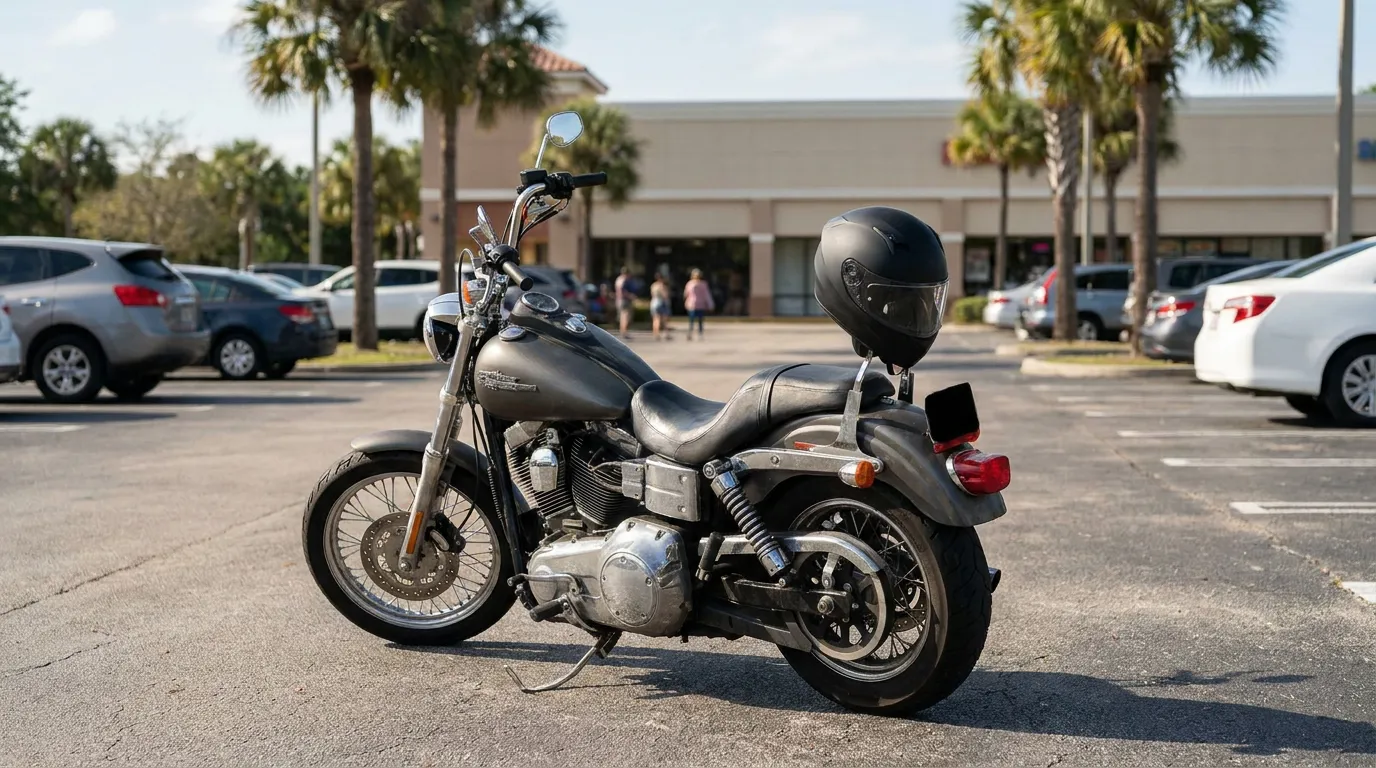
07 Jul Can a Rider Still Recover Damages Without a Helmet in Florida?
Understanding Your Rights After a Helmetless Motorcycle Crash in South Florida
Key Takeaways: Yes, a rider can still recover damages in Florida even without a helmet. The state follows a modified comparative fault model that reduces awards proportionally rather than barring them outright. Helmet use isn’t universally mandatory, adult riders over 21 with at least $10,000 in qualifying medical benefits may legally ride helmetless, and violations are only noncriminal traffic infractions. Insurers often raise a "Florida helmet defense," but its success depends on medical evidence showing the missing helmet actually worsened the specific injuries claimed. Recovery is only barred entirely if a rider is found more than 50% at fault. Strong evidence is essential to keep a rider’s allocated fault low and counter biker bias. Acting promptly to preserve evidence and meet Florida’s strict deadlines gives injured riders the best chance at meaningful compensation.
Yes, a rider can still recover damages without a helmet in Florida, even when insurers try to use the absence against them. Florida follows a modified comparative fault model, which means a rider’s conduct generally reduces a damage award proportionally rather than eliminating it entirely, so long as the rider is not found more than 50% at fault. For injured riders in Fort Lauderdale and across Broward County, that distinction can mean the difference between a denied claim and meaningful motorcycle accident compensation.
If you were hurt in a Fort Lauderdale motorcycle crash, do not let an insurer convince you that a missing helmet ends your case. The team at HL Law Group, P.A. offers free, confidential case evaluations, and you can call (954) 713-1212 or request your consultation online today.
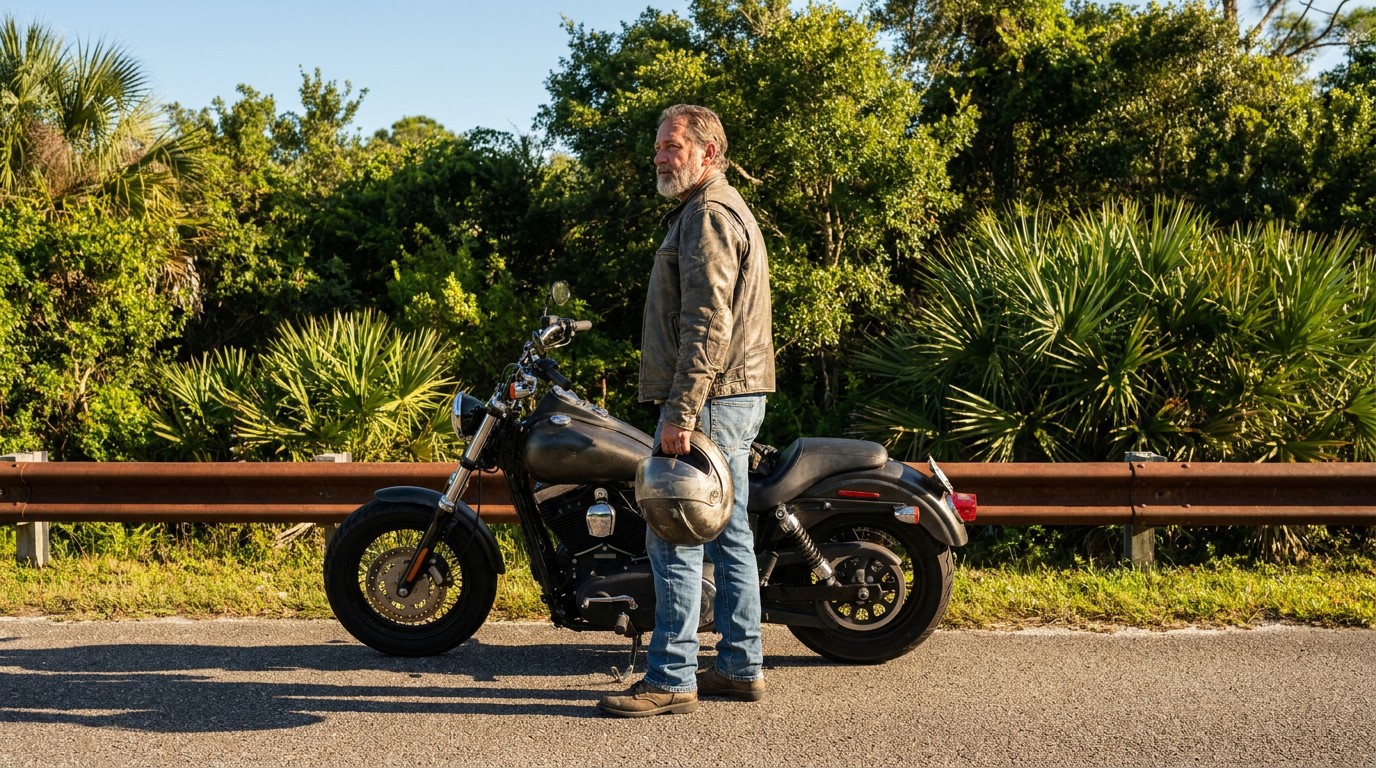
What Florida’s Helmet Law Actually Requires
Florida’s helmet rule is more flexible than many riders assume. By default, motorcyclists must wear protective headgear that complies with Federal Motorcycle Vehicle Safety Standard 218. However, riders over 21 may ride without a helmet if covered by an insurance policy providing at least $10,000 in medical benefits for injuries incurred in a motorcycle crash. This exemption requires the rider’s own qualifying coverage, so a passenger over 21 must independently carry the required medical benefits to ride helmetless.
The statute also governs eye protection. Florida law requires motorcyclists to wear an eye-protective device approved by the department. You can review the full text in Chapter 316 of the Florida Statutes.
If you are unsure whether your coverage allowed you to ride legally, understand how the $10,000 insurance helmet exemption works in Fort Lauderdale before speaking with any adjuster.
💡 Pro Tip: Save a copy of your motorcycle insurance declarations page after a crash. If it confirms at least $10,000 in qualifying medical benefits, it can directly undercut a "no helmet" argument before it gains traction.
Why a Missing Helmet Does Not Automatically Defeat Your Claim
A helmet violation carries surprisingly limited legal weight in a civil case. Under Florida law, a helmet violation is a noncriminal traffic infraction, punishable as a nonmoving violation. Because the infraction carries no criminal weight, its civil implications are generally narrow and fact-dependent rather than case-ending.
Insurers nonetheless try to leverage helmet status through a "Florida helmet defense." This argument typically frames riding without a helmet as comparative fault that should reduce the rider’s recovery. Whether that argument succeeds often turns on causation, whether the absence of a helmet actually contributed to the specific injuries claimed. The outcome depends heavily on medical evidence and the nature of the harm.
💡 Pro Tip: Head and brain injuries invite the strongest helmet-defense arguments, while injuries to the legs, spine, or torso are frequently unrelated to helmet use. Detailed medical records that tie each injury to the crash mechanics can help isolate damages a helmet would not have prevented.
How Comparative Fault Shapes Motorcycle Damages Recovery
Florida uses a modified comparative fault system that includes a critical 50% threshold. An injured rider can still recover even if partially at fault, including for riding without a helmet, as long as their share of fault does not exceed half. As amended in 2023, the statute provides that any party found to be greater than 50 percent at fault for his or her own harm may not recover any damages. If a jury places a helmetless rider above that line, the claim is barred entirely.
The statute’s reach is broad. It covers most motorcycle accident scenarios, from a careless left-turning driver to a defective brake component. Chapter 768, Part II applies to any action for damages, whether in tort or in contract.
Here is a simplified look at how fault percentages can affect a no helmet injury claim:
| Rider’s Allocated Fault | Effect on Recovery |
|---|---|
| 0% | Full damages, subject to proof |
| 10% to 50% | Damages reduced by the rider’s percentage |
| 51% or more | Recovery barred entirely |
You can read the controlling apportionment language directly in Chapter 768 of the Florida Statutes, which sets out the state’s comparative fault rules.
How Fault Is Divided Among Drivers, Defendants, and Nonparties
Florida abandoned joint and several liability in favor of per-party fault allocation. The statute directs that in a negligence action, the court shall enter judgment against each party liable on the basis of such party’s percentage of fault. This means that even when a helmetless rider shares some fault, an at-fault driver’s liability is measured separately, and a skilled Broward County motorcycle attorney can argue to limit the fault attributed to the rider.
Defendants may also try to shift blame onto people not in the lawsuit. Florida permits this through nonparty fault, but only under defined conditions. To allocate fault to a nonparty, a defendant must affirmatively plead the fault and identify the nonparty, if known.
💡 Pro Tip: Identify every potentially responsible party early. The more credible at-fault sources your attorney can document, the harder it becomes for any single defendant to pin a majority of fault on you.
Preserving Evidence With a Motorcycle Accident Lawyer Fort Lauderdale Riders Rely On
Strong evidence is what neutralizes "biker bias" and protects your percentage of fault. Florida requires law enforcement to document serious crashes. A Florida Traffic Crash Report, Long Form must be completed and submitted within 10 days after investigation of a crash that resulted in death, personal injury, or complaints of pain. That report can document the at-fault party, insurance information, and crash circumstances regardless of helmet use. Under Florida’s crash-report privilege, such reports are generally not admissible as evidence in a civil trial, though they remain valuable for investigation and identifying witnesses.
Beyond the police report, technical evidence frequently decides close cases. Riders and their attorneys often preserve:
- GoPro, dashcam, and helmet-camera footage
- Skid marks, debris fields, and accident-reconstruction measurements
- Surveillance video from nearby Fort Lauderdale businesses
- Medical records connecting specific injuries to crash forces
- Witness statements gathered before memories fade
Florida emphasizes rider education, requiring all new applicants to complete an authorized Basic RiderCourse before a motorcycle endorsement is issued. Documenting your own training and lawful riding can reinforce that the collision resulted from another party’s conduct, not yours.
💡 Pro Tip: Evidence disappears quickly. Photos, footage, and vehicle data can be lost within days, so preserving them promptly is often more valuable than waiting until an insurer responds.
When to Involve a Broward County Motorcycle Attorney
Timing matters because Florida imposes firm deadlines on injury claims. Civil filing deadlines, government administrative claim deadlines, and insurance notice requirements are distinct from one another, and courts generally interpret exceptions narrowly. Riding without a helmet does not change the underlying need to act promptly.
A dedicated legal team helps value damages that insurers routinely underestimate. The practice team at HL Law Group is respected for handling complex motorcycle cases. You can learn more on its Fort Lauderdale motorcycle crash practice page. Outcomes always depend on the specific facts, so this article is general information rather than individualized legal advice.
Frequently Asked Questions
1. Can I recover damages if I was not wearing a helmet during a Fort Lauderdale motorcycle crash?
Generally, yes. Florida’s comparative fault system reduces rather than bars recovery, unless a jury finds you more than 50% at fault for your own harm. Whether helmet status affects your award depends on whether it actually contributed to your injuries.
2. Is riding without a helmet illegal in Florida?
Not always. Riders over 21 with at least $10,000 in qualifying medical benefits may legally ride without a helmet. A violation, where one exists, is a noncriminal traffic infraction.
3. How does the "Florida helmet defense" work against my claim?
Insurers argue that not wearing a helmet is comparative fault that should reduce your recovery. This argument turns on causation and medical evidence, considered only where the lack of a helmet plausibly worsened the specific injuries claimed.
4. What if multiple drivers caused my motorcycle accident?
Florida allocates fault per party rather than under joint and several liability. Each defendant is responsible for its own percentage, and defendants must affirmatively plead and identify any nonparty they seek to blame.
5. How soon should I speak with a motorcycle accident lawyer Fort Lauderdale victims trust?
As soon as possible. Evidence fades quickly, and Florida filing deadlines are interpreted strictly, so early action helps protect both your evidence and legal options.
Protecting Your Recovery After a No Helmet Injury Claim
A missing helmet is rarely the end of your case, but how you respond can shape your recovery. Florida law allows helmetless riders to pursue damages through its comparative fault system, limits the weight of helmet infractions, and divides liability among everyone who contributed to the crash. The key is building a well-documented record that keeps your allocated fault low and counters the biker bias that insurers often exploit.
If you or a loved one was injured in a Broward County motorcycle accident, the trusted team at HL Law Group, P.A. is ready to help you understand your options. Call (954) 713-1212 or schedule your free case evaluation now to take the first step toward protecting your rights.
Sorry, the comment form is closed at this time.