

14 Sep An Established Fort Lauderdale Firm for Florida Dog Bite Injury Claims
An Established Fort Lauderdale Firm for Florida Dog Bite Injury Claims
If you were bitten by a dog in Broward County, Florida law may already be on your side before you prove anything about the dog’s history. Florida’s dog bite statute is powerful but layered with defenses that insurance carriers raise immediately. HL Law Group, P.A. is a Fort Lauderdale personal injury law firm that handles dog bite claims as a dedicated practice area, alongside premises liability, catastrophic injury, and wrongful death matters. This guide explains how Florida’s strict liability framework works, where it has limits, and how to evaluate whether a firm is equipped to handle your claim.
You should not have to decode a statute while healing from a bite wound. The attorneys at HL Law Group, P.A. offer free case evaluations and are available 24/7 to discuss what happened. Call (954) 713-1212 or request your free consultation now to learn how Florida law applies to your circumstances.
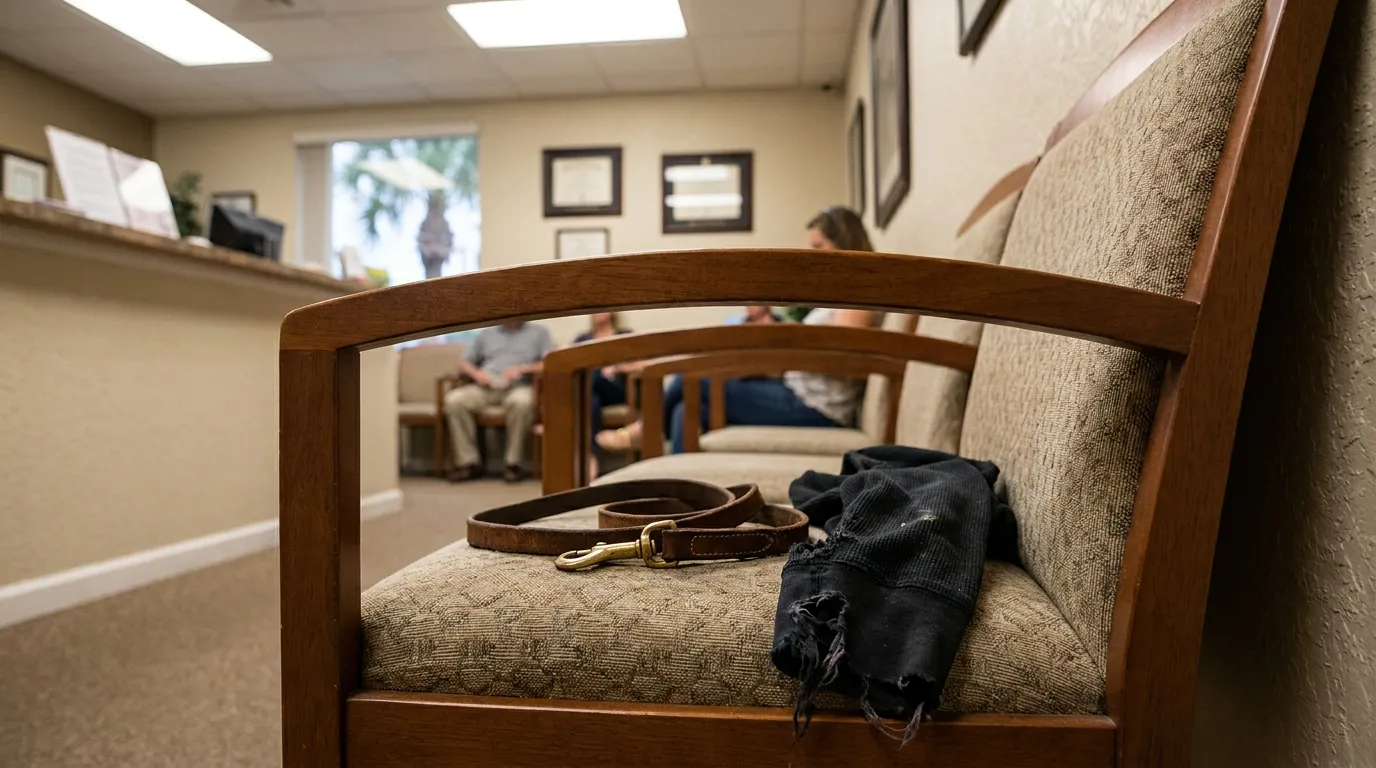
Florida’s Strict Liability Standard: The Foundation of Your Claim
Florida imposes strict liability on dog owners, a meaningful advantage for bite victims. Under Fla. Stat. § 767.04, the owner of any dog that bites a person while that person is on or in a public place, or lawfully on or in a private place, including the property of the owner of the dog, is liable for damages suffered by persons bitten, regardless of the former viciousness of the dog or the owner’s knowledge of such viciousness. In practical terms, a Broward County victim does not have to prove the owner was careless or knew the animal was dangerous, though the victim must still prove ownership, lawful presence, a bite, and resulting damages.
This framework is long-established Florida law. The statute sits within Title XLV (Torts), Chapter 767, titled "Damage by Dogs; Dangerous Dogs." The Florida dog bite statute confirms that the statutory remedy is in addition to and cumulative with any other remedy provided by statute or common law.
Because the remedy is cumulative, a well-built case often pleads more than strict liability alone. A claim may also advance ordinary negligence theories, which matter when a leash law violation, a broken gate, or an unsupervised animal contributed to the attack. Negligence claims carry their own proof requirements and filing deadlines, so preserving alternative theories requires early attention.
💡 Pro Tip: Photograph the location of the attack the same day if possible, including fencing, gates, signage, and any leash left on the ground. Conditions change quickly, and early images frequently become the most persuasive evidence.
Who Counts as "Lawfully" on Private Property
The statute defines lawful presence. A person is lawfully on the owner’s private property when present in the performance of any duty imposed upon him or her by the laws of this state or by the laws or postal regulations of the United States, or when the person is on such property upon invitation, expressed or implied, of the owner. This definition covers mail carriers, delivery drivers, utility workers, and invited guests even when the bite occurs on the owner’s property, assuming they remained within the scope of that duty or invitation.
This provision resolves a question that worries many injured Fort Lauderdale clients. People often assume that being on the dog owner’s land defeats their claim, when the opposite may be true if an express or implied invitation existed. Documenting texts, work orders, or delivery records can be significant. For a deeper walkthrough, see our overview of Florida’s strict liability rule for dog bites.
The Defenses Insurers Raise, and Why Experience Matters Here
Strict liability is not absolute, and carriers know exactly where the carve-outs sit. Under Fla. Stat. § 767.04, the two most common defenses are signage and comparative fault:
- "Bad Dog" signage. Where an owner prominently displayed an easily readable "Bad Dog" sign, the owner may avoid liability, except as to a person under the age of 6, or unless the damages are proximately caused by a negligent act or omission of the owner. Whether a sign was truly prominent and readable at the time of the attack is a factual question.
- Comparative negligence. Any negligence on the part of the person bitten that is a proximate cause of the biting incident reduces the liability of the owner of the dog by the percentage that the bitten person’s negligence contributed to the incident. However, under Florida’s modified comparative negligence standard codified in Fla. Stat. § 768.81(6), if the bitten person is found to be more than 50% at fault, the claim is barred outright and no damages may be recovered.
Documentation drives value. Whether a leash ordinance was violated, whether a child was near a gate, or whether the dog was provoked can each shift the percentages a jury or adjuster assigns.
💡 Pro Tip: Do not give a recorded statement to the owner’s homeowner or renter insurance carrier before speaking with counsel. Adjusters often ask provocation questions designed to build a comparative negligence argument.
When a Dog Was Already Declared Dangerous
A prior dangerous dog designation can substantially strengthen the record. Chapter 767 also houses Florida’s dangerous dog framework. Under Fla. Stat. § 767.13, if a dog previously declared dangerous attacks or bites a person without provocation, the owner commits a misdemeanor of the first degree, and if such a dog causes severe injury or death, the owner commits a felony of the second degree. In those circumstances the dog is subject to confiscation and impoundment by animal control.
Criminal and administrative proceedings are separate from your civil lawsuit. A classification hearing or criminal charge does not resolve your damages claim. Still, records generated under Chapter 767 can be valuable evidence of owner knowledge and violation history.
💡 Pro Tip: Request the animal control incident report in writing early. These records identify the owner, confirm the dog’s history, and often list the homeowner insurance information you will need.
Why Documented Experience Matters More Than Marketing Claims
In a competitive South Florida legal market, verifiable substance should outweigh slogans. HL Law Group, P.A. does not publish specific settlement or verdict figures, and past outcomes do not predict future results. What the firm does state is that over the years its team has successfully handled complex, high-stakes claims, and it brings that same disciplined approach to its personal injury cases.
Experience in dog bite litigation shows up in the unglamorous parts of a case. It appears in how quickly ownership is identified, how carefully medical causation is documented for infection and nerve or soft-tissue damage, and how insurance coverage is located across homeowner and renter policies. Because bite wounds carry infection and scarring risks, coordinating with treating providers on dog bite wound treatment documentation is often as important as the legal filings.
Trustworthiness means being candid about uncertainty. Outcomes depend heavily on specific facts, including provocation evidence, signage, available coverage limits, applicable policy exclusions, and the severity of permanent scarring. A firm that explains those variables honestly is better positioned to advocate for you.
Why You Should Choose HL Law Group, P.A.
Our firm pairs a focused Fort Lauderdale injury practice with a genuinely client-centered process. We take time to understand each client’s story and keep clients informed throughout the case. We pursue compensation for medical bills, lost wages, pain and suffering, and future care where the facts and law support those damages, and we handle personal injury matters on a no recovery, no fee basis.
We also handle the insurance side of these claims directly. The firm represents clients in insurance claim disputes involving denied, delayed, or underpaid claims, and we regularly confront undervaluation, coverage disputes, and bad faith allegations. That experience is directly relevant when a homeowner carrier disputes whether a bite is covered, including when a policy contains an animal-liability exclusion. Learn more about our Fort Lauderdale dog bite representation and how we approach these cases.
Geographic reach adds practical value. The firm maintains a physical presence in both Fort Lauderdale, Florida and New York, which helps when an injured client lives in one state and was bitten in the other. Free case evaluations are available, and the firm is reachable 24 hours a day.
Frequently Asked Questions
Common Questions About Dog Bites in Fort Lauderdale, Florida
1. Do I have to prove the dog bit someone before?
Generally, no. Fla. Stat. § 767.04 imposes liability regardless of the former viciousness of the dog or the owner’s knowledge of such viciousness, provided you were in a public place or lawfully on private property. Prior bite history may be useful evidence if the dog was previously declared dangerous.
2. Does a "Bad Dog" sign end my claim?
Not necessarily. A prominently displayed, easily readable sign may limit an owner’s liability, but the statute carves out persons under the age of 6 and situations where damages were proximately caused by the owner’s own negligent act or omission. Whether the sign met the statutory description is a factual issue.
3. What if I was partly at fault?
Under Fla. Stat. § 767.04, negligence by the bitten person that is a proximate cause of the incident reduces the owner’s liability by the percentage that conduct contributed. However, under Florida’s modified comparative negligence standard codified in Fla. Stat. § 768.81(6), if the bitten person is found to be more than 50% at fault, the claim is barred outright. Early documentation can influence the outcome.
4. I was bitten on the owner’s own property. Am I covered?
You may be. The statute expressly includes the property of the dog’s owner and defines lawful presence to include persons performing duties imposed by Florida law or U.S. postal regulations, or those present by express or implied invitation. Guests, delivery workers, and mail carriers are often covered, subject to the statute’s signage and comparative negligence exceptions.
5. Can I bring a negligence claim too?
In many cases, yes. The statutory remedy is in addition to and cumulative with any other remedy provided by statute or common law, so negligence theories may be pursued alongside strict liability where the facts support them.
Moving Forward After a Dog Attack in Broward County
Florida’s dog bite statute gives victims a strong starting position, but the statutory exceptions are where cases are won or lost. Strict liability under Fla. Stat. § 767.04 removes the burden of proving prior viciousness, while signage provisions, comparative negligence, and the definition of lawful presence require careful factual development. Layering in Chapter 767’s dangerous dog provisions and available insurance coverage can further shape what a claim is worth. Filing deadlines also apply, and evidence tends to disappear rather than improve with time.
Take the next step while the record is still fresh. Reach out to HL Law Group, P.A. by calling (954) 713-1212 or schedule your free case evaluation today to discuss your Fort Lauderdale dog bite claim with a team that handles these matters every day.
Disclaimer: This content is for informational purposes only and is not legal advice. Every case is unique, and results may vary. Consult an attorney about your specific circumstances.
Sorry, the comment form is closed at this time.