

04 Nov Can I Sue a Friend After Slipping and Falling at Their Florida Home?
When a Friendly Visit Ends in an Injury
Key Takeaways: In many cases, you may be able to sue a friend after slipping and falling at their Florida home, and the claim is often paid through the friend’s homeowners insurance rather than out of their own pocket. Florida generally treats invited social guests as invited licensees, so the homeowner generally owes them reasonable care to keep the home safe and to warn of concealed dangers the homeowner knew or should have known about. You must still prove duty, breach, causation, and damages. Under Florida’s modified comparative negligence rule, which applies to negligence actions filed on or after March 24, 2023, you generally cannot recover if you are more than 50 percent at fault, and any award is reduced by your share of the blame. For falls on or after March 24, 2023, you generally have two years to file a lawsuit. Preserving evidence quickly may help protect your claim.
In many cases, you may be able to sue a friend after slipping and falling at their Florida home, and the claim is often paid by the friend’s homeowners insurance. Florida law does not shield property owners from liability just because the injured person is a friend. What usually matters is whether the homeowner failed to use reasonable care and whether that failure caused your injury. The outcome often depends on how Florida classifies you as a visitor, how quickly you act, and whether you share any blame.
If you were hurt at a friend’s home in Fort Lauderdale or anywhere in Broward County, you do not have to work through these questions alone. The legal team at HL Law Group, P.A. can review your situation, explain your options, and help protect your claim while you focus on recovering. Call us at (954) 713-1212 or contact us now for a free consultation.
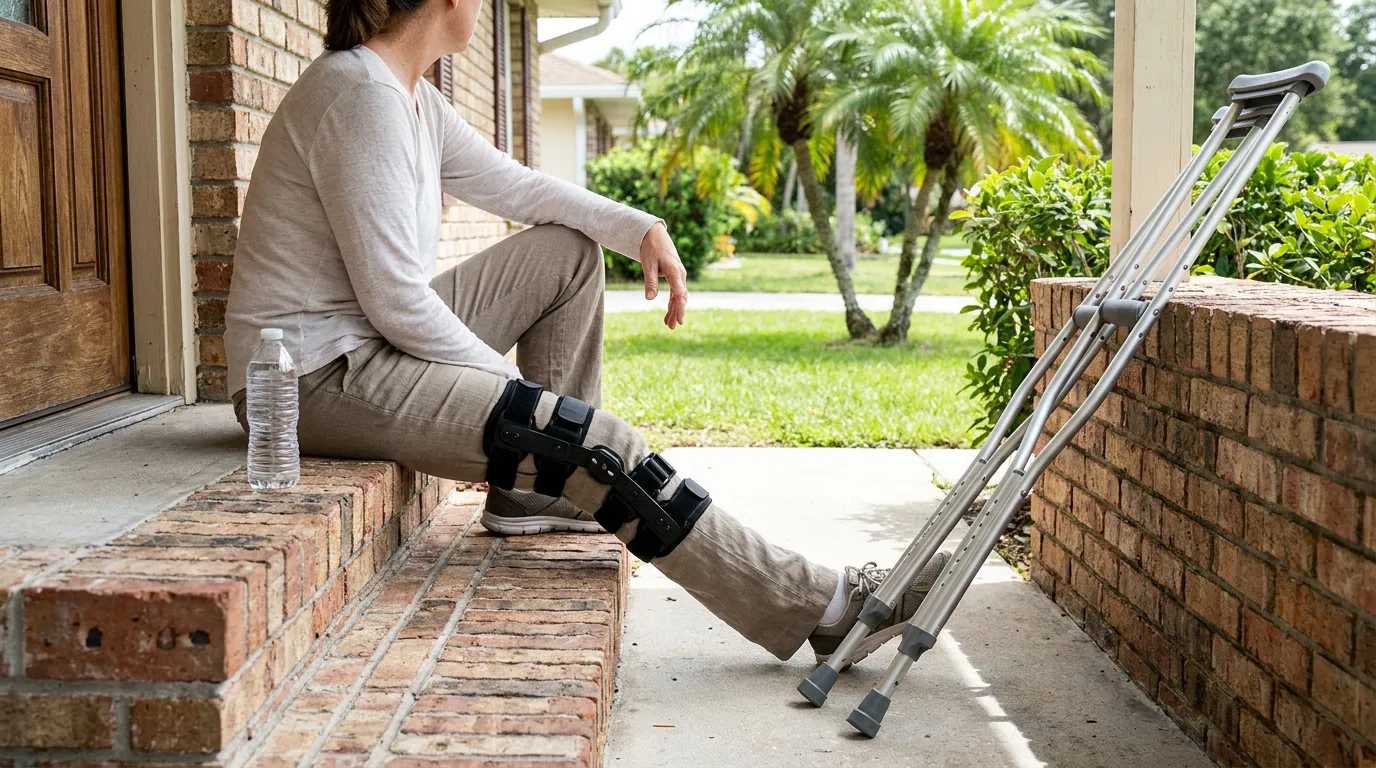
Why Suing a Friend Is Usually About Insurance, Not Your Friend’s Wallet
Many injured guests hesitate because they worry a lawsuit will ruin the friendship or hurt their friend financially. In practice, many residential premises liability claims are handled through the homeowner’s liability coverage. The insurer generally investigates and, if the incident is covered, defends the homeowner and may pay any settlement or judgment up to the policy limits. Your friend may never pay out of pocket, depending on the policy terms, any exclusions, and whether your damages exceed the limits.
Filing a homeowners insurance claim is often the first step, and sometimes the only step. Many claims resolve through negotiation. Still, insurers do not always offer fair compensation right away. Adjusters may question how the fall happened, argue your injuries are minor, or blame you for not watching your step.
💡 Pro Tip: Ask your friend for their homeowners insurance company name and policy number soon after the fall. It can help start your claim before memories fade.
Invitee vs Licensee Florida: How Your Visitor Status Shapes Your Rights
Under Florida common law, the duty a homeowner owes you depends largely on why you were on the property. Florida courts have generally recognized three main categories of visitors: invitees, licensees, and trespassers. Licensees are further divided into invited and uninvited licensees. You can learn more in our guide on whether you are an invitee or licensee in a Fort Lauderdale fall.
The Social Guest Licensee Florida Rule
Florida generally treats invited social guests as "invited licensees" who receive the same protection as invitees. Florida courts have held since Wood v. Camp (Fla. 1973) that homeowners owe invited social guests a duty of reasonable care. In general, a homeowner may be required to:
- Maintain the premises in a reasonably safe condition
- Warn guests of hidden dangers the owner knew or should have known about
- Correct or warn about hazards that are not open and obvious
This may be good news for anyone injured at a friend’s dinner party, barbecue, pool gathering, or holiday visit. If your friend expressly or impliedly invited you, you likely qualify as an invited licensee.
Uninvited Licensees and Trespassers
Visitors who enter without an express or reasonably implied invitation generally receive less protection. For uninvited licensees, Florida courts have generally limited the owner’s duty to avoiding willful or wanton harm and warning of known dangers not open to ordinary observation. Trespassers receive even less protection, and section 768.075, Florida Statutes, further limits owner liability to trespassers in many situations. Because these classifications are fact-dependent, courts may look closely at texts, phone calls, and the history of your visits.
| Visitor Type | Common Example | Duty Generally Owed by Homeowner |
|---|---|---|
| Invitee / Invited Licensee | Friend invited to a party | Reasonable care to maintain safe premises and warn of concealed dangers |
| Uninvited Licensee | Person who stops by without invitation for their own purposes | Avoid willful or wanton harm; warn of known, hidden dangers |
| Trespasser | Person entering without permission | Very limited duty, generally avoiding willful or wanton harm |
Business Slip-and-Fall Rules Do Not Control Home Injuries
A fall at a friend’s home is generally governed by common-law negligence principles, not by the statute written for stores and restaurants. Section 768.0755(1), Florida Statutes, requires a person who slips on a "transitory foreign substance in a business establishment" to prove the business had actual or constructive knowledge of the dangerous condition. That standard is written specifically for business premises.
The same statute also preserves existing common-law duties. Section 768.0755(2), Florida Statutes, states that it "does not affect any common-law duty of care" owed by those controlling business premises. A residential fall generally falls under the broader Florida negligence statutes in Chapter 768, Part I and common-law duty principles.
Even so, notice still matters in many home injury cases. You may need to show that your friend knew or reasonably should have known about the hazard, such as a loose stair tread, a leaking refrigerator, or a slick pool deck.
Proving a Slip and Fall at a Friend’s House
To recover compensation, you will generally need to prove the four elements of negligence: duty, breach, causation, and damages. Duty usually follows from your status as an invited guest. Breach may involve a failure to repair, inspect, or warn. Causation links the hazard to your injuries, and damages may include medical bills, lost wages, and pain and suffering.
Evidence to Preserve Right Away
Evidence in residential cases can disappear quickly because homeowners often fix the hazard soon after an accident. Take photos of the exact spot where you fell, including lighting, flooring, and any liquids or debris. Save text messages showing you were invited. Write down names of other guests who saw the fall, and keep every medical record and receipt.
💡 Pro Tip: Photograph your shoes and clothing from that day, and keep them unwashed in a bag. Insurers sometimes argue that footwear caused the fall.
Rebutting the "Open and Obvious" Defense
Insurers frequently argue that the hazard was so obvious that you should have avoided it. Under Florida law, an open and obvious danger may eliminate the homeowner’s duty to warn, but it generally does not eliminate the separate duty to maintain the premises in a reasonably safe condition, and your awareness may instead be weighed as comparative fault. Poor lighting, distractions, or a hazard hidden by a rug may help show the danger was not truly obvious.
How Shared Fault Can Affect Your Recovery
Florida now follows a modified comparative negligence rule that can bar recovery if you are found more than 50 percent at fault. Under section 768.81(6), Florida Statutes, which applies to negligence actions filed on or after March 24, 2023, an injured person whose own fault exceeds 50 percent generally cannot recover damages. If your share is 50 percent or less, your compensation is typically reduced by your percentage of fault.
This rule makes careful case preparation essential. An insurer may argue you were looking at your phone, drinking, or wearing unsafe shoes. A thorough investigation can help show that the homeowner’s failure to fix or warn about the hazard was the primary cause of your fall.
The Two-Year Deadline for Broward Premises Liability Claims
Florida law generally gives you only two years to file a negligence lawsuit, including a slip-and-fall claim against a friend. Under section 95.11, Florida Statutes, as amended in 2023, negligence actions accruing after March 24, 2023, must generally be commenced within two years. For earlier claims, the prior four-year deadline generally still applies. You can review the Florida limitations of actions in Chapter 95 for the full statutory framework.
The clock usually starts on the date of the fall. Section 95.031(1), Florida Statutes, provides that a cause of action accrues when the last element occurs. Limited tolling provisions under section 95.051 may pause the deadline, but courts apply them narrowly, so never assume one applies to you.
Falls can also cause serious, lasting harm, which is another reason not to delay. CDC data consistently identifies falls as a leading cause of unintentional injury in the United States, and the leading cause of injury among adults 65 and older.
Frequently Asked Questions
1. Will suing a friend mean my friend has to pay me personally?
In many cases, the homeowner’s liability insurance handles the claim and may pay any settlement up to the policy limits. Your friend may be personally exposed if damages exceed coverage, the policy excludes the incident, or there is no applicable insurance.
2. Am I an invited licensee if I was just stopping by?
It depends on whether your friend expressly or impliedly invited you. A standing invitation, a text asking you to come over, or a longstanding habit of welcomed visits may support invited licensee status.
3. What if I was partly to blame for my fall?
You may still be able to recover compensation if your fault is 50 percent or less under section 768.81(6), Florida Statutes. Your award would generally be reduced by your percentage of fault. If you are found more than 50 percent at fault, recovery is generally barred in cases filed on or after March 24, 2023.
4. How long do I have to file a claim?
For falls occurring after March 24, 2023, you generally have two years under section 95.11, Florida Statutes. The deadline usually begins on the date of the injury, and waiting can make evidence harder to obtain.
5. Does the invitee vs licensee Florida distinction matter if I was at a rental home?
Visitor status can still matter, but rental properties may also involve landlord duties and additional insurance policies. Whether the owner, tenant, or both may be responsible generally depends on who controlled the area where you fell.
Protecting Your Rights After a Social Guest Injury
Being hurt at a friend’s home is stressful, but Florida law generally protects invited guests and may give them a path to compensation. The invitee vs licensee Florida framework, the comparative fault rule in section 768.81, Florida Statutes, and the two-year deadline in section 95.11, Florida Statutes, can all shape the outcome of your claim. Our Broward premises liability lawyer team is ready to help you evaluate your options.
You deserve clear answers and a team committed to pursuing full recovery for your medical costs, lost wages, and pain. HL Law Group, P.A. serves injured clients throughout Fort Lauderdale, Broward County, and South Florida with practical, client-focused legal guidance. Call (954) 713-1212 or schedule your free case evaluation today.
Disclaimer: This content is for informational purposes only and is not legal advice. Every case is unique, and results may vary. Consult an attorney about your specific circumstances.
Sorry, the comment form is closed at this time.