

21 Aug Who Can Recover Damages Under Florida’s Free Kill Law in Fort Lauderdale?
Understanding Florida’s Free Kill Law and Your Right to Recover
Key Takeaways: Florida’s "free kill" law, Fla. Stat. 768.21(8), bars adult children (25+) and parents of adult children from recovering non-economic damages like mental pain and suffering in medical negligence wrongful death cases, though these relatives can generally recover such damages in non-medical deaths like car crashes. Survivors who can still recover the full range of damages include a surviving spouse, minor children (under 25, and all children if no surviving spouse exists), and each parent of a deceased minor child. Economic damages, lost support and services, medical and funeral expenses, and estate losses, remain available to all survivors even in medical negligence cases. The distinction hinges on whether the death arose from medical negligence as defined by s. 766.106(1). Strict deadlines apply, generally two years for both wrongful death and medical malpractice claims, though certain intentional torts may be filed at any time. Families in Fort Lauderdale should seek prompt legal analysis to protect their rights.
Not every grieving family member in Fort Lauderdale can recover the same damages after a loved one dies from medical negligence. Florida’s so-called "free kill" rule, codified at Fla. Stat. 768.21(8), draws a sharp line: it bars certain adult children and parents of adult children from recovering the most personal category of losses. Understanding who qualifies to recover is the first step toward protecting your rights.
If you are researching how to preserve a claim, the compassionate team at HL Law Group, P.A. is ready to help. Call us today at (954) 713-1212 or reach out through our free case evaluation form to discuss your family’s options.
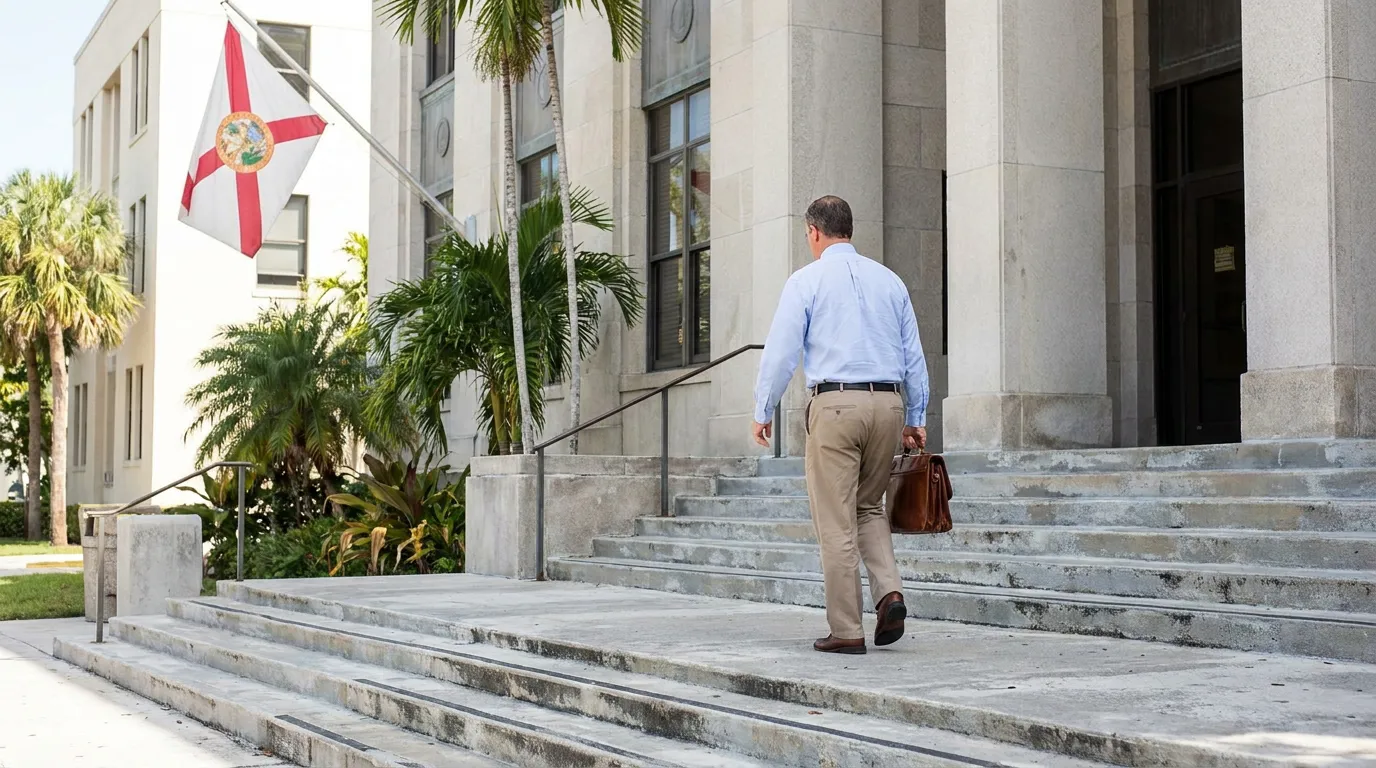
What the Florida Free Kill Law 768.21(8) Actually Says
The Florida free kill law 768.21(8) restricts specific non-economic damages in medical negligence wrongful death cases. Under the statute, the damages specified in subsection (3) shall not be recoverable by adult children and the damages specified in subsection (4) shall not be recoverable by parents of an adult child with respect to claims for medical negligence as defined by s. 766.106(1). This provision removes the ability of adult children and parents of adult children to claim mental pain and suffering when a death results from medical malpractice. For purposes of the Wrongful Death Act, an "adult" child is defined under Fla. Stat. 768.18(2) as a child 25 years of age or older, while a "minor" child is one under 25.
This limitation is tied specifically to medical negligence claims. The same adult children and parents barred in a hospital or physician case would generally be able to recover these non-economic damages in a non-medical wrongful death matter, such as a car crash or premises death in Broward County. The distinction depends entirely on how the death occurred.
The broader statutory scheme provides important context. Sections 768.16 through 768.26 are collectively titled the Florida Wrongful Death Act, available in Florida’s Chapter 768 statutes. Subsection (8) carves out a narrow but significant exception that has drawn substantial public debate. Although the Florida Legislature passed a repeal in 2025, the measure was vetoed and later repeal efforts stalled, so the provision remains in effect.
Who Can Recover Damages Under Florida’s Wrongful Death Act
Florida law identifies specific survivors and defines what each may claim. Under Fla. Stat. 768.21(2)-(4), the recoverable survivors generally include the following:
- A surviving spouse, who may recover for loss of the decedent’s companionship and protection and for mental pain and suffering
- Minor children, and all children if there is no surviving spouse, who may recover for lost parental companionship, instruction, and guidance and for mental pain and suffering
- Each parent of a deceased minor child, who may recover for mental pain and suffering
Economic damages remain broadly available even in medical negligence cases. Under Fla. Stat. 768.21(1), (5), and (6), all survivors may recover the value of lost support and services, survivors who paid medical or funeral expenses may recover them, and the personal representative may recover items such as lost earnings and net accumulations for the estate. These categories are not affected by the free kill restriction.
The value of lost support and services forms the core economic recovery. Each survivor may recover the value of lost support and services from the date of the decedent’s injury to death, with interest, and future loss of support and services from the date of death reduced to present value. Calculating these figures typically requires forensic and financial analysis.
How Pleadings Frame a Fort Lauderdale Wrongful Death Claim
Every wrongful death complaint must identify the eligible beneficiaries. The statute requires that all potential beneficiaries, including the decedent’s estate, shall be identified in the complaint, and their relationships to the decedent shall be alleged. This establishes who is eligible to recover and frames how the case proceeds.
Understanding standing is often the threshold question. Only certain survivors and the personal representative may pursue recovery. Our guide on who can file a wrongful death lawsuit offers a helpful starting point for surviving family members in South Florida.
Why the Medical Malpractice Distinction Matters
The free kill rule applies only when the death arises from medical negligence. Because subsection (8) cross-references medical negligence "as defined by s. 766.106(1)," the character of the underlying conduct determines whether adult children and parents of adult children lose their non-economic claims. This is why families in Fort Lauderdale medical malpractice deaths sometimes find that certain relatives cannot claim mental pain and suffering, while the same relatives could in a non-medical case.
💡 Pro Tip: If your loved one’s death may have involved both medical and non-medical causes, the classification of the claim can significantly affect who recovers. Preserving medical records and seeking a prompt case review can help clarify which framework applies.
Comparative fault rules also differ in medical cases. Florida’s modified comparative negligence rule generally bars a party who is more than 50 percent at fault for their own harm from recovering, but Fla. Stat. 768.81(6) provides that this subsection does not apply to medical negligence actions pursuant to chapter 766. This distinction matters for Broward County medical malpractice wrongful death claims.
Deadlines That Can Make or Break Your Claim
Time limits in wrongful death cases are strict and vary by claim type. The general statute of limitations for wrongful death in Florida is two years under Fla. Stat. 95.11(4)(d). Courts generally interpret exceptions narrowly, and no tolling or discovery rule should be assumed to apply automatically.
Medical negligence claims carry their own timeline. Florida has codified a two-year statute of limitations for medical malpractice, and where a death is caused by malpractice this period generally runs from the date of death, as discussed in this analysis of Florida’s medical malpractice deadlines. Florida’s general negligence statute of limitations was shortened from four years to two years for claims accruing on or after March 24, 2023, so families should act promptly.
Intentional torts follow a different rule entirely. Under Fla. Stat. 95.11(11), an action for wrongful death seeking damages authorized under s. 768.21 brought against a natural person for an intentional tort resulting in death, such as acts described in s. 782.04 or s. 782.07, may be commenced at any time. In these limited circumstances, a civil claim does not require an arrest, formal charges, or a conviction.
Civil Claims Versus Criminal Proceedings
A civil wrongful death claim is separate from any criminal case. The statute expressly provides that this subsection shall not be construed to require an arrest, the filing of formal criminal charges, or a conviction as a condition for filing a civil action. Whether or not prosecutors pursue a criminal matter, the family’s civil right to seek damages generally proceeds on its own track, subject to the applicable limitations period.
| Survivor | Non-Economic Damages in Medical Negligence Death | Economic Damages |
|---|---|---|
| Surviving spouse | Generally recoverable | Generally recoverable |
| Minor children | Generally recoverable | Generally recoverable |
| Adult children | Barred under 768.21(8) | Generally recoverable |
| Parents of adult child | Barred under 768.21(8) | Generally recoverable |
Frequently Asked Questions
1. What is Florida’s free kill law?
It refers to Fla. Stat. 768.21(8). This provision bars adult children and parents of adult children from recovering mental pain and suffering damages in wrongful death cases arising from medical negligence. It does not affect economic damages such as lost support and services.
2. Can adult children ever recover non-economic damages in Florida?
Yes, in many non-medical cases. The bar in subsection (8) applies only to medical negligence claims as defined by s. 766.106(1), and an "adult" child is one 25 or older. In a car crash or premises liability death, adult children may generally pursue non-economic damages.
3. How long do I have to file a wrongful death claim in Fort Lauderdale?
The general deadline is two years under Fla. Stat. 95.11(4)(d). Medical malpractice claims also carry a two-year period, while certain intentional torts by a natural person may be filed at any time under Fla. Stat. 95.11(11). Prompt action is important.
4. Do I need a criminal case before filing a civil wrongful death lawsuit?
No. A civil claim does not require an arrest, formal charges, or a conviction. The civil and criminal systems operate separately.
5. What damages remain available in a medical negligence death?
Economic damages generally remain available. Under Fla. Stat. 768.21(1), (5), and (6), survivors may recover lost support and services, medical and funeral expenses they paid, and estate losses. Only the specific non-economic categories in subsections (3) and (4) are restricted for adult children and parents of adult children.
Protecting Your Family’s Right to Recover
Florida’s free kill rule creates real and often painful limits, but it does not close every door. Many economic damages remain available even in medical negligence cases, and the classification of your claim, the identity of eligible survivors, and the applicable deadline all shape what your family may recover. Careful early analysis can make a meaningful difference.
HL Law Group, P.A. is committed to guiding grieving families through these difficult questions with clarity and compassion. As a respected Fort Lauderdale wrongful death firm serving Broward County and the broader South Florida region, our team offers unique knowledge of the Florida Wrongful Death Act. To learn more, visit our florida free kill law 768.21(8) lawyer practice page.
Do not let a tight deadline cost your family the recovery it deserves. Connect with HL Law Group, P.A. today by calling (954) 713-1212 or completing our confidential contact form for a free consultation with a compassionate legal team that puts your family first.
Sorry, the comment form is closed at this time.