

15 Jul Can Fort Lauderdale Injury Victims Recover Pain and Suffering Damages?
Understanding Non-Economic Damages After a South Florida Accident
Key Takeaways: Fort Lauderdale injury victims can recover pain and suffering damages when another party’s negligence causes their harm. Florida law treats non-economic losses, including emotional distress, loss of enjoyment of life, and disfigurement, separately from economic damages. No fixed formula exists for valuing pain and suffering, amounts are subjective and left to jury discretion, often supported by medical and vocational testimony. Under Florida’s modified comparative fault system, recovery is reduced proportionally to your fault and barred entirely if you are found more than 50 percent at fault. Strict statute of limitations deadlines apply with narrow tolling exceptions, making prompt action essential. In egregious cases, victims may seek punitive damages upon clear and convincing proof of intentional misconduct or gross negligence. Because insurers often contest these claims, experienced legal guidance is critical to pursuing full compensation.
Yes, Fort Lauderdale injury victims can generally recover pain and suffering damages when another party’s negligence causes their harm. Florida law treats pain and suffering as distinct compensation separate from medical bills and lost wages. If you were hurt in a car crash, slip-and-fall, dog bite, or negligence incident in Broward County, you may be entitled to compensation for the physical and emotional toll of your injuries.
At HL Law Group, P.A., we help injured people across South Florida pursue the full value of their claims. To speak with a Fort Lauderdale injury attorney about your options, call our team at (954) 713-1212 or contact us now for a free case evaluation.
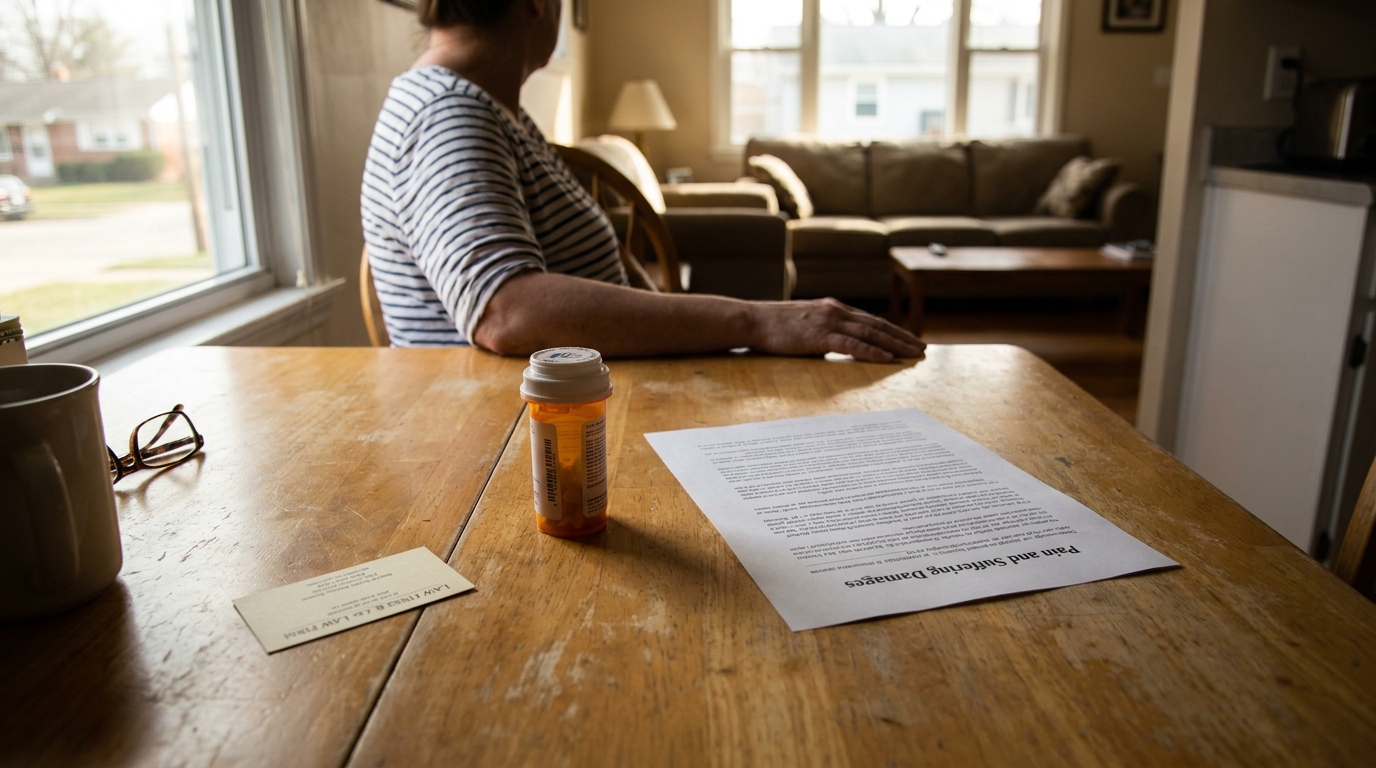
What Pain and Suffering Damages Actually Cover
Pain and suffering falls under non-economic damages, which compensate you for intangible, subjective losses rather than quantifiable financial harm. These damages recognize that injuries affect far more than your bank account. Florida law separates these losses from economic damages, and understanding that distinction is central to valuing any claim.
Under Florida Statutes § 768.81(1)(b), economic damages include lost income, medical expenses, and other quantifiable financial losses. Pain and suffering does not fall within that definition, which is why it is treated as a separate, recoverable category. This separation matters when evaluating the full scope of what you may be owed.
Recoverable non-economic categories in Florida generally include:
- Physical pain and suffering
- Emotional distress
- Loss of enjoyment of life
- Disfigurement and physical impairment
These categories often represent the largest portion of serious injury claims. A broken bone heals, but lasting anxiety, limitations, and diminished quality of life can persist for years. Courts recognize these realities, though specific values depend heavily on each case’s facts.
💡 Pro Tip: Keep a personal journal documenting your daily pain levels, missed activities, and emotional struggles. This contemporaneous record can become powerful evidence demonstrating the real impact of your injuries.
How Florida Values Pain and Suffering in Fort Lauderdale Cases
There is no fixed formula that dictates pain and suffering value in Fort Lauderdale, because these amounts are inherently subjective. Ultimately, the amount is determined at the jury’s discretion. That subjectivity is one reason experienced advocacy can make a meaningful difference.
One common approach is the Per Diem Method, which assigns a daily dollar value multiplied by the number of days the injured person lives with injury consequences. Another approach uses a multiplier applied to economic damages. Neither method is mandated by statute, and courts retain broad discretion.
Plaintiffs with permanent disabilities affecting earning capacity and daily activities generally receive larger awards. Proving these losses often requires testimony from medical providers, mental health professionals, vocational witnesses, and life care planners. These witnesses help juries understand the true, lasting scope of suffering.
Under Florida Statutes § 768.042, in circuit court actions for personal injury or wrongful death, general damages cannot be specified in the complaint, though special (economic) damages may be specifically pleaded. This means pain and suffering figures are developed through evidence and left to the fact-finder.
💡 Pro Tip: Follow through with every recommended medical appointment and treatment plan. Gaps in treatment are frequently used by insurers to argue that your injuries were not as serious as claimed.
The Comparative Fault Rule That Can Reduce or Bar Recovery
Florida follows a modified comparative fault system that can significantly affect your pain and suffering damages. Under the 2023 reform to Florida Statutes § 768.81(6), any party found greater than 50 percent at fault for their own harm may not recover any damages. This is a critical threshold for injured people in Broward County.
If a jury assigns you more than half the blame, you could walk away with nothing, including pain and suffering awards. This rule does not apply to medical negligence claims under chapter 766, which remain governed by pure comparative negligence. Because fault allocation is consequential, how liability is investigated directly shapes outcomes.
Fault below that threshold reduces rather than eliminates recovery. Under Florida Statutes § 768.81(2), contributory fault chargeable to the claimant proportionately diminishes awards for economic and non-economic damages but does not bar recovery at lower fault levels. If you are found 20 percent at fault, your total award may be reduced by that percentage.
| Claimant’s Fault Level | Effect on Pain and Suffering Recovery |
|---|---|
| 50% or less | Recovery reduced in proportion to fault |
| Greater than 50% | Recovery generally barred entirely |
| Medical negligence (ch. 766) | The greater-than-50% bar does not apply |
Florida Statutes § 768.71 confirms this applies to any action for damages, whether in tort or contract, for causes arising on or after July 1, 1986, meaning virtually all modern personal injury claims fall under Florida’s tort damages framework. A "negligence action" under § 768.81(1)(c) includes negligence, strict liability, products liability, professional malpractice, and breach of warranty, though comparative fault does not apply to intentional torts.
Deadlines and Tolling: Why Timing Matters for Pain and Suffering Fort Lauderdale Claims
Filing on time is essential, because missing the statute of limitations can permanently extinguish your right to recover pain and suffering. Florida law imposes deadlines for bringing personal injury actions, and courts interpret exceptions narrowly. Acting promptly protects your evidence and legal rights.
Florida law permits tolling, or pausing, of the limitations period in limited circumstances. Under Florida Statutes § 95.051(1), the clock may be tolled when a defendant is absent from the state, uses a false name to avoid service, conceals themselves, or when the injured party was adjudicated incapacitated before the cause accrued. For minors, the period may also be tolled in narrow circumstances, such as when no parent, guardian, or guardian ad litem is available to bring the claim, and the action must generally begin within 7 years of the triggering event.
These tolling provisions are narrow and strictly defined. You can review Florida’s tolling provisions to understand how limited these exceptions are. Confirming your deadline early with counsel is one of the most protective steps you can take.
💡 Pro Tip: Do not wait for medical treatment to conclude before consulting counsel. Evidence such as surveillance footage, witness memories, and physical conditions can fade quickly after an accident.
Punitive Damages and Additional Compensation in Serious Cases
Beyond pain and suffering, some Fort Lauderdale injury victims may seek punitive damages when the defendant’s conduct was especially egregious. These damages are not available in ordinary negligence cases and require a heightened standard of proof. They serve to punish and deter rather than compensate.
Under Florida Statutes § 768.72(2), a defendant may be held liable for punitive damages only if the trier of fact finds, by clear and convincing evidence, that the defendant was personally guilty of intentional misconduct or gross negligence. Gross negligence means conduct so reckless or wanting in care that it constitutes conscious disregard or indifference to the life, safety, or rights of others.
Florida also formally recognizes mental pain and suffering in wrongful death claims. Under Florida Statutes § 768.21, a surviving spouse may recover for loss of companionship and mental pain and suffering from the date of injury, and minor children and parents of a deceased minor child may recover similar damages. For a fuller overview, review our guide on damages after a Fort Lauderdale car accident.
Frequently Asked Questions
1. Are pain and suffering damages capped in Florida?
Statutory caps on non-economic damages exist in many states and vary widely. Whether a cap applies to your specific claim depends on the case type and current law, so this is best confirmed with counsel based on your facts.
2. How is a pain and suffering amount calculated?
There is no single required formula, and the final amount rests within the fact-finder’s discretion. Approaches such as Per Diem Method or a multiplier are sometimes used, but outcomes depend on injury severity, permanence, and supporting evidence.
3. Can I still recover if I was partly at fault?
In many cases, yes, though your recovery may be reduced. Under Florida’s modified comparative fault rule, damages are diminished proportionally to your share of fault, but recovery is barred if you are found greater than 50 percent at fault.
4. Do I have to state a pain and suffering dollar amount when I file?
No. Under Florida Statutes § 768.042, general damages cannot be specified in the complaint, although special damages may be specifically pleaded. The pain and suffering figure is developed through evidence and decided by the jury.
5. How long do I have to file a claim?
Deadlines are strict and fact-specific, and tolling exceptions are interpreted narrowly. You should confirm your deadline promptly rather than assume an extension applies.
Protecting Your Right to Full Compensation
Recovering pain and suffering damages in Fort Lauderdale is possible, but success depends on understanding Florida’s damages framework, comparative fault rules, and filing deadlines. These claims are subjective, fact-dependent, and often contested by insurers who work to minimize what you receive. With the right evidence and guidance, injured people across Broward County can pursue meaningful compensation for the physical and emotional harm they have endured.
If you or a loved one suffered an injury due to someone else’s negligence, the team at HL Law Group, P.A. is ready to help you understand your rights and pursue the recovery you deserve. Call us today at (954) 713-1212 or schedule your free consultation to discuss your South Florida injury claim with a trusted advocate.
Sorry, the comment form is closed at this time.