
18 Feb How to Document Your Fort Lauderdale Slip Fall for Maximum Recovery
When you slip and fall at a Fort Lauderdale business, the evidence you collect in those critical first moments can make or break your ability to recover compensation. Under Florida Statute 768.0755, victims who slip and fall on a transitory foreign substance in a business establishment must prove that the business had actual or constructive knowledge of the dangerous condition that caused their fall. This statute does not affect the common-law duties of care that apply to other types of premises conditions. Without proper documentation, even the most legitimate claims can fail. This guide walks you through the essential steps for documenting your slip and fall accident to maximize your chances of recovery under Florida’s premises liability laws.
If you’ve been injured in a slip and fall accident, HL Law Group, P.A. can help you navigate Florida’s complex premises liability requirements. Call (954) 713-1212 or contact us now to discuss your case.
Take Immediate Photos of the Hazard
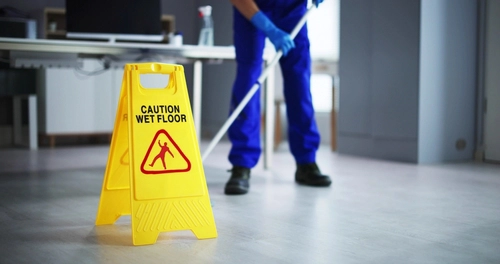
The most crucial evidence in any slip and fall case is photographic documentation of the exact condition that caused your fall. Take multiple photos from different angles showing the hazard, whether it’s a wet floor, uneven surface, or debris. Include wide shots that capture the surrounding area and close-ups that detail the specific dangerous condition. Remember to photograph any warning signs (or lack thereof) in the vicinity.
Florida businesses often clean up hazards quickly after an accident, making immediate photo documentation essential. Use your smartphone to capture the scene before anyone moves or removes evidence. If you’re too injured to take photos yourself, ask a witness or companion to help. These images become critical when establishing that the hazard existed and demonstrating its dangerous nature to insurance adjusters or a jury.
💡 Pro Tip: Turn on your phone’s location services and timestamp features when taking photos. This metadata proves exactly when and where the accident occurred, which can be crucial if the business later claims the hazard didn’t exist.
Report the Incident to Management Immediately
Every slip and fall victim should report their accident to the business manager or supervisor before leaving the premises. Request that they create a written incident report and ask for a copy for your records. If they refuse to provide a copy, take a photo of the report or write down the report number. This official documentation creates a paper trail that the business cannot later deny.
When speaking with management, stick to the facts about what happened without admitting fault or downplaying your injuries. Simply state where you fell, what caused the fall, and that you’re injured. Avoid statements like “I should have been more careful” or “I’m probably fine.” These comments can be used against you later when pursuing compensation.
Gather Witness Information and Statements
Witnesses provide independent verification of your accident and can testify about the dangerous condition that caused your fall. Collect names, phone numbers, and email addresses from anyone who saw your accident or observed the hazard before you fell. Ask them to write a brief statement about what they witnessed while the details are fresh in their memory.
Florida courts give significant weight to witness testimony, especially when it corroborates your version of events. Witnesses can confirm important details like how long a spill existed, whether warning signs were present, or if they noticed the hazard themselves. Their statements become particularly valuable if the business later alters the scene or disputes your account of the accident.
Seek Medical Treatment Within 24 Hours
Documenting your injuries through immediate medical treatment creates an official record linking your injuries directly to the slip and fall accident. Visit an emergency room, urgent care center, or your primary physician within 24 hours of your fall. Tell your doctor exactly how the accident occurred and describe all symptoms, even those that seem minor initially.
Medical records serve as crucial evidence in Fort Lauderdale fall accident claims because they establish the extent and severity of your injuries. Follow all treatment recommendations and attend every follow-up appointment. Insurance companies often argue that delays in treatment or missed appointments indicate your injuries weren’t serious. Consistent medical documentation prevents these tactics from undermining your claim.
💡 Pro Tip: Keep a daily journal documenting your pain levels, mobility limitations, and how your injuries affect your daily activities. This personal injury diary provides compelling evidence of your ongoing suffering and recovery process.
Understanding Florida’s Slip and Fall Attorney in Fort Lauderdale Requirements
Under Florida Statute 768.0755, slip and fall victims who fall on a transitory foreign substance in a business establishment must prove the business had actual or constructive knowledge of the dangerous condition. This means showing either that employees knew about the hazard or that it existed long enough that they should have discovered it through reasonable inspections. The statute does not affect common-law duties of care for other types of premises conditions.
Constructive knowledge can be established through circumstantial evidence showing the dangerous condition existed for such a length of time that ordinary care would have revealed it. For example, if surveillance footage shows a spill existed for 30 minutes before your fall, this may demonstrate constructive knowledge. Similarly, dirty or separated liquid indicates the hazard existed long enough for the business to discover it.
Preserve Physical Evidence
Physical evidence from your slip and fall can provide powerful proof of the dangerous condition. Keep the clothes and shoes you wore during the accident without washing them. If your clothing shows stains from the substance you slipped on, this evidence corroborates your account. Store these items in sealed plastic bags to preserve their condition.
Take photos of any visible injuries immediately after the fall and throughout your recovery process. Bruising often doesn’t fully appear until days after an accident. Document the progression of your injuries with dated photographs showing swelling, cuts, bruises, or mobility aids like crutches or braces you need to use.
Document Your Financial Losses
Keep meticulous records of all expenses related to your slip and fall accident to support your claim for compensation. This includes medical bills, prescription receipts, costs for medical equipment, transportation to appointments, and lost wages from missed work. Create a dedicated folder (physical or digital) for all accident-related documentation.
Florida slip and fall documentation should include proof of both economic and non-economic damages. While medical bills and lost wages are straightforward to calculate, don’t forget to document how the accident impacts your quality of life. This includes canceled plans, activities you can no longer enjoy, and assistance you need with daily tasks.
Act Quickly Due to Florida’s Statute of Limitations
Florida law imposes strict time limits for filing slip and fall lawsuits, with most negligence actions requiring filing within two years of the accident. This deadline begins running from the date your cause of action accrues, which typically means the day you fell. Missing this deadline generally bars your claim forever, regardless of its merit.
While two years may seem like ample time, building a strong case requires starting documentation efforts immediately. Evidence disappears, witnesses forget details, and surveillance footage gets overwritten. The sooner you begin documenting your case and consult with legal counsel, the stronger your position for negotiating a settlement or presenting your case at trial.
💡 Pro Tip: Some circumstances may toll (pause) Florida’s statute of limitations, such as if the defendant leaves the state or conceals themselves. However, courts interpret these exceptions narrowly, so never assume extra time exists without consulting an attorney about your specific situation.
Review and Organize All Documentation
Creating a comprehensive file of your slip and fall documentation helps your attorney build the strongest possible case. Organize everything chronologically, including photos, incident reports, medical records, witness statements, and financial documents. Make backup copies of all digital evidence and store them securely in multiple locations.
Well-organized documentation becomes particularly important when dealing with insurance companies or preparing for litigation. Insurance adjusters often request specific documents on tight deadlines. Having everything readily accessible prevents delays and shows you’re serious about pursuing your claim. This organization also helps your attorney quickly identify strengths and potential challenges in your case.
Common Documentation Mistakes to Avoid
Many slip and fall victims inadvertently harm their cases through documentation errors that could have been avoided. Never post about your accident on social media, as insurance companies routinely monitor profiles for evidence to use against claimants. Even innocent posts about activities can be misconstrued to suggest your injuries aren’t serious.
Avoid giving recorded statements to insurance adjusters without legal representation. While you must report the claim, you’re not obligated to provide detailed recorded statements that can be twisted to minimize your injuries or suggest fault. Stick to basic facts when initially reporting the claim and direct further inquiries to your attorney.
Frequently Asked Questions
What if I didn’t take photos immediately after my Fort Lauderdale slip and fall?
While immediate photos provide the best evidence, you still have options for documenting your case. Return to the scene as soon as possible to photograph the area, even if the specific hazard has been cleaned. Look for surveillance cameras that may have captured your fall and request preservation of the footage through your attorney. Witness statements become even more critical when photos aren’t available.
How long do Florida businesses keep surveillance footage?
Most Florida businesses overwrite surveillance footage within 7 to 30 days, making prompt action essential. Some larger establishments may keep footage longer, but there’s no legal requirement for extended retention unless formally requested. Your attorney can send a preservation letter demanding the business maintain all evidence related to your accident.
Can I still recover compensation if I was partially at fault?
Florida follows a modified comparative negligence system, meaning you can still recover damages even if you bear some fault for your fall. However, your compensation reduces by your percentage of fault. For example, if you’re found 20% at fault for not watching where you walked, your recovery decreases by 20%. Proper documentation helps minimize any fault assigned to you.
Should I accept the business’s initial settlement offer?
Initial settlement offers from businesses or their insurance companies typically undervalue your claim significantly. These offers often come before you know the full extent of your injuries or future medical needs. Consult with a Fort Lauderdale premises liability attorney before accepting any settlement to ensure it fairly compensates all your damages.
Thorough documentation of your Fort Lauderdale slip and fall accident forms the foundation for maximizing your recovery. From immediate photo evidence to ongoing medical documentation, every piece of information strengthens your ability to prove the business’s liability and your damages. Remember that, under Florida Statute 768.0755 for transitory foreign substances in business establishments, the burden is on you to establish that the business knew or should have known about the dangerous condition.
The slip and fall evidence gathering process requires diligence and attention to detail, but your efforts directly impact your case’s outcome. By following these documentation guidelines and acting quickly to preserve evidence, you position yourself for the best possible recovery under Florida law. Don’t let crucial evidence disappear or memories fade, start documenting your case today.
HL Law Group, P.A. has extensive experience helping slip and fall victims throughout Fort Lauderdale navigate Florida’s complex premises liability laws. We understand the documentation requirements for building strong cases and fighting for maximum compensation. Call (954) 713-1212 or contact us now to schedule your consultation and protect your rights.
Sorry, the comment form is closed at this time.