

10 Feb Can You Sue if You’re 50% at Fault in Fort Lauderdale Car Crashes?
Your Right to Recovery May Depend on One Critical Number: 50%
If you’ve been injured in a car accident where you played a role in causing the crash, you might wonder whether you can still seek compensation. The answer changed dramatically in March 2023 when Governor Ron DeSantis signed House Bill 837 into law. Under this new law, if you’re found more than 50% responsible for your injuries, you cannot recover any damages – a significant shift from Florida’s previous system that allowed recovery regardless of fault percentage.
This affects thousands of accident victims who contributed to accidents through speeding, distracted driving, or other actions. The good news: if you’re 50% at fault or less, you can still recover compensation, though it will be reduced by your percentage of responsibility.
???? Pro Tip: Document everything at the accident scene, including road conditions, weather, and witness statements. These details can determine whether you’re found 49% or 51% at fault – potentially deciding whether you recover anything at all.
Discover how HL Law Group, P.A. can help you navigate Florida’s complex fault laws to secure the compensation you deserve. Reach out today to ensure every angle is covered, because when it comes to your rights, timing is everything. Call us at (954) 713-1212 or contact us online.
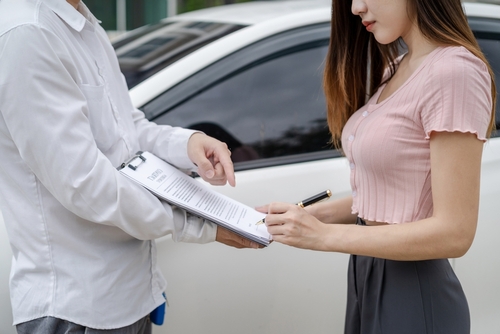
Understanding Florida’s Modified Comparative Negligence System
Under Florida Statute 768.81, "any party found to be greater than 50 percent at fault for his or her own harm may not recover any damages." Being assigned just 1% more fault (from 50% to 51%) completely bars your recovery. The system reduces your damages proportionally based on your assigned fault percentage, but only if you’re 50% at fault or less. For example, if you suffered $100,000 in damages but were 40% at fault, you’d recover $60,000. At 51% fault, you’d recover nothing.
This dramatic cliff at the 50% mark makes accurate fault determination essential, and having a car accident attorney in Fort Lauderdale who understands comparative fault becomes invaluable. The law specifies that courts must enter judgments based on each party’s percentage of fault, meaning each defendant is only responsible for their proportionate share of damages.
???? Pro Tip: Keep detailed records of your actions before and during the accident. Even small details like whether you signaled or your exact speed can influence fault percentages in close cases.
Critical Steps After a Fort Lauderdale Car Accident
Time is not on your side after a car accident in Florida. Under Florida Statute § 95.11(4)(a), as amended by House Bill 837, the statute of limitations for negligence-based personal injury claims, including car accidents, was reduced from four years to two years for incidents occurring on or after March 24, 2023. This compressed deadline means you must act quickly to preserve your rights, especially when fault might be contested. Notably, property damage claims retain a separate four-year filing window under Florida Statute § 95.11(3)(k), and limited tolling exceptions may apply for minors or incapacitated individuals, making it critical to confirm your specific deadline with an attorney as soon as possible.
- Immediately after the accident: Call 911 if there are injuries, fatalities, hit-and-run circumstances, DUI involvement, or vehicles requiring towing.
- Within 10 days: Traffic crash reports become available through the Florida Crash Portal, costing $10 per report plus a $2 convenience fee.
- Within 90 days: Insurance companies can avoid bad faith claims by tendering the lesser of policy limits or the amount demanded by the claimant within 90 days after receiving actual notice of a claim that is accompanied by sufficient evidence provided by the claimant to support the amount of the claim.
- Within 2 years: You must file any negligence lawsuit – missing this deadline bars your claim forever.
You can obtain reports from Fort Lauderdale Police Department’s Records Unit at 1515 West Cypress Creek Road, open Monday through Friday from 8:00 a.m. to 6:00 p.m., or through the online Florida Crash Portal.
???? Pro Tip: Request your official crash report as soon as available. Police officers’ initial fault determinations significantly influence insurance companies and juries, so reviewing it early allows time to gather contradicting evidence if needed.
Fighting for Fair Fault Determination with a Car Accident Attorney in Fort Lauderdale
When facing potential partial fault, the difference between 49% or 51% fault can mean recovering substantial compensation versus receiving nothing. This is where skilled legal representation becomes crucial. The attorneys at HL Law Group, P.A. understand Florida’s modified comparative negligence law and know how to present evidence that minimizes your assigned fault percentage while maximizing the other party’s responsibility.
Effective fault defense involves thoroughly investigating the accident, analyzing traffic patterns, examining road conditions, and identifying all contributing factors. Your attorney might work with accident reconstruction experts, review surveillance footage, interview witnesses, and examine vehicle damage patterns to build a comprehensive picture of what happened.
Insurance companies often try to shift blame onto accident victims to reduce or eliminate payouts, especially under the new 50% rule. Having a car accident attorney in Fort Lauderdale who knows these tactics helps level the playing field and ensures fair consideration in fault determinations.
???? Pro Tip: Never admit fault or apologize at the accident scene, as these statements can be used against you later. Stick to factual observations and let your attorney handle discussions about fault.
How Courts Calculate and Assign Fault Percentages
Florida courts consider numerous elements when assigning fault, including traffic law violations, driver actions and reactions, vehicle conditions, road and weather conditions, and the sequence of events leading to the crash. Each factor receives weight based on its contribution to causing the accident.
Common Factors That Increase Your Fault Percentage
Several actions can increase your assigned fault percentage. Fault percentages for traffic violations like speeding, distracted driving, following too closely, and failing to signal are determined on a case-by-case basis depending on how each violation contributed to the specific accident. Courts and insurance adjusters consider the totality of circumstances, including the severity of the violation, other contributing factors, and the specific accident dynamics, rather than applying standardized percentage ranges for particular violations. Working with a Fort Lauderdale Florida Car Accidents attorney who understands these nuances helps present your actions favorably while emphasizing the other party’s more significant violations.
???? Pro Tip: Create a detailed timeline of events leading up to the accident. This helps your attorney argue for lower fault percentages by showing your reasonable efforts to avoid the crash.
Insurance Company Tactics Under Florida’s New Comparative Fault Rules
Insurance companies quickly adapted their strategies following Florida’s 2023 tort reform changes, often using the new 50% fault threshold to deny claims entirely. Common tactics include hiring biased accident reconstructionists, misrepresenting witness statements, emphasizing minor traffic infractions while downplaying their insured’s major violations, and making early fault determinations before all evidence is gathered.
Protecting Yourself from Unfair Fault Assignments
The new law modified bad faith rules and eliminated one-way attorney fee provisions, meaning insurance companies face less financial risk from unfair claims handling. This makes it even more important to work with experienced counsel who can navigate these rules effectively. Your Florida HB 837 attorney can help ensure fair investigation rather than rushed fault assignments.
???? Pro Tip: Document all communications with insurance companies and never agree to recorded statements without your attorney present. Insurance adjusters are trained to ask questions designed to increase your apparent fault percentage.
Evidence That Can Save Your Right to Recovery
In close fault determinations, specific evidence often makes the difference between recovering damages and walking away empty-handed. Electronic evidence has become increasingly valuable, including vehicle event data recorder information showing speed, braking, and steering inputs. Cell phone records can disprove distracted driving allegations, while GPS data can verify your route and speed. Surveillance cameras provide objective views that often contradict initial assumptions about fault.
Building Your Comparative Fault Defense
Physical evidence remains crucial. Skid mark patterns reveal braking timing and vehicle paths, while vehicle damage locations indicate impact angles. Weather data from official sources can establish visibility and road conditions. The Florida Department of Transportation provides crash-mapping tools your Fort Lauderdale car accident liability attorney can use to show accident patterns at specific locations, potentially indicating dangerous road designs that contributed to your crash.
Witness testimony carries significant weight in fault determinations. Independent witnesses with clear views receive more credibility than passengers. Your Florida Statute 768.81 case may benefit from expert witnesses who can explain complex fault allocation issues to judges and juries.
???? Pro Tip: Photograph the accident scene from multiple angles, including traffic signals, signs, road markings, and any obstructions. Return to photograph at the same time of day to capture similar lighting and traffic conditions.
Frequently Asked Questions
???? Pro Tip: Even if you believe you’re partially at fault, consult with an attorney before accepting any fault percentage. Initial impressions often change after thorough investigation.
1. If I’m found exactly 50% at fault for my Fort Lauderdale car accident, can I still recover damages?
Yes, under Florida’s modified comparative negligence law, you can recover damages if you’re 50% at fault or less. Your recovery would be reduced by 50%, meaning you’d receive half of your total damages. However, if you’re found 51% or more at fault, you cannot recover anything. This makes the difference between 50% and 51% fault absolutely critical to your case.
2. Can the police report’s fault determination be challenged with a Fort Lauderdale comparative fault attorney?
Absolutely. While police reports carry weight, they’re not binding legal determinations of fault. Officers often have limited time at accident scenes and may miss crucial details. Your attorney can investigate further, uncover additional evidence, interview witnesses the police missed, and work with accident reconstruction experts to present a more accurate fault analysis to insurance companies and courts.
3. How do insurance companies determine fault percentages after Florida HB 837?
Insurance companies use various methods including accident reconstruction analysis, witness statements, police reports, traffic law violations, and vehicle damage patterns. Since the new law incentivizes pushing claimants over 50% fault to avoid any payout, having your own legal representation to counter their determinations becomes essential for fair fault assessment.
Work with a Trusted Car Accidents Lawyer
When partial fault threatens your right to recover damages, having knowledgeable legal representation can mean the difference between fair compensation and receiving nothing. The attorneys at HL Law Group, P.A. understand the critical importance of fault determination under Florida’s modified comparative negligence law and work diligently to ensure accurate fault assessments that protect your rights. Contact an experienced legal team who can evaluate your case and fight for the most favorable fault determination possible.
Embarking on a journey to resolve your car accident case shouldn’t be a solo endeavor. Lean on the seasoned guidance of HL Law Group, P.A. who are adept at navigating Florida’s fault laws. Don’t wait—give us a call at (954) 713-1212 or contact us and take the first step toward securing your rightful compensation.
Sorry, the comment form is closed at this time.