
13 Jan Is $500 Damage Enough to Call Police for Your Fort Lauderdale MVA?
Florida’s $500 Damage Threshold Can Catch Drivers Off Guard
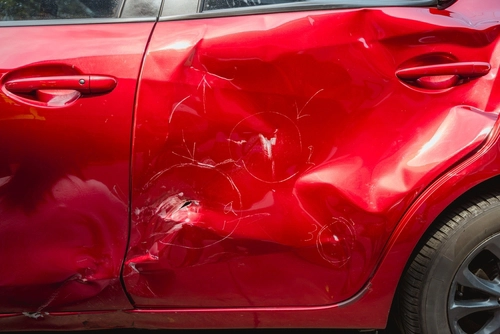
Yes, $500 in damage requires calling police for your motor vehicle accident in Florida. While many states set thresholds at $1,000 or higher, Florida law mandates immediate police notification for crashes with apparent damage of at least $500 according to section 316.065, Florida Statutes. (florida.public.law) This lower threshold surprises drivers who assume minor fender benders don’t require reporting. Failing to report leads to legal complications and insurance denials. Minor damage from parking lot bumps or rear-end taps easily exceeds $500 in today’s repair market.
???? Pro Tip: Always take photos of all vehicle damage immediately after an accident – what looks like minor scratches could easily exceed $500 in repair costs once body shop estimates come in.
Don’t let the complexities of Florida’s accident laws catch you off guard. If you’ve been in a crash, it’s crucial to know your legal steps and protect your rights. Trust HL Law Group, P.A. to provide guidance tailored to your needs. Feel free to reach out at (954) 713-1212 or contact us for support today.

Understanding Your Legal Obligations After a Florida Accident
Florida’s reporting requirements protect all parties by creating official accident documentation. Florida Statute 316.065 requires drivers involved in a crash to immediately contact local law enforcement if the accident involves injury or death to a person, or at least $500 estimated vehicle or property damage. (florida.public.law) The requirement to remain at the scene is covered by separate Florida statutes (such as sections 316.061–316.063). (m.flsenate.gov) Many drivers underestimate repair costs – that small dent often costs far more than $500 to fix. Working with a motor vehicle accident attorney in Fort Lauderdale helps ensure you meet legal requirements while protecting your rights.
???? Pro Tip: Never leave an accident scene without exchanging information, even if damage appears minimal – Florida considers leaving the scene of an accident a criminal offense.
What Happens After You Report Your Florida MVA
Understanding the timeline after reporting your accident helps you prepare for next steps. The process varies by severity but certain milestones remain consistent.
- Immediate response: Officers arrive to document the scene, take statements, and create reports
- Within 24-48 hours: File insurance claims and seek medical evaluation for delayed injury symptoms
- Up to 10 days: Official traffic crash reports become available through the Florida Crash Portal. (flhsmv.gov)
- Within 14 days: Florida’s Personal Injury Protection (PIP) requires medical treatment within this window for coverage
- 4-6 weeks: Physical copies of reports arrive if requested by mail
- Within 48 hours of purchase: Downloaded crash reports must be saved as they expire from the portal. (flhsmv.gov)
???? Pro Tip: Set calendar reminders for important deadlines – missing Florida’s 14-day PIP treatment window could cost you thousands in medical coverage.
Getting Legal Help from a Motor Vehicle Accident Attorney in Fort Lauderdale
Navigating Florida’s accident reporting requirements becomes easier with proper legal guidance. Even straightforward accidents develop complications when insurance companies dispute damage estimates or question procedures. HL Law Group, P.A. understands Florida motor vehicle accident law and helps clients meet reporting obligations while building strong cases for fair compensation. Their experience with local accident cases means they recognize common issues with the $500 damage threshold and advise whether your situation requires police involvement.
???? Pro Tip: Contact an attorney before giving recorded statements to insurance companies – what you say in those early conversations can significantly impact your claim’s outcome.
Real Costs of "Minor" Accidents Often Exceed $500
Modern vehicle repair costs consistently surprise accident victims who believe their damage falls below Florida’s reporting threshold. Today’s cars feature expensive sensors, cameras, and computer systems hidden behind bumpers and body panels. Cosmetic damage often requires replacing entire assemblies rather than simple repairs. Paint matching alone for a single panel can cost several hundred dollars, while bumper damage might require replacing parking sensors, backup cameras, or adaptive cruise control components.
Hidden Damage Drives Repair Costs Higher
Professional body shops frequently discover additional damage during disassembly. Crumpled bumper supports, bent frame components, or damaged wiring significantly increase repair bills. Modern unibody construction means even minor impacts transfer force throughout the vehicle’s structure. This reality makes proper documentation and reporting crucial. Attempting private repairs often backfires when true costs emerge, leaving drivers wishing they had followed proper reporting procedures.
???? Pro Tip: Always get professional repair estimates rather than relying on visual assessment – certified shops have tools to detect frame damage and alignment issues invisible to the naked eye.
Consequences of Not Reporting Qualifying Accidents
Failing to report an accident meeting Florida’s criteria creates multiple problems beyond potential criminal charges. Insurance companies may deny claims if proper procedures weren’t followed, leaving drivers personally responsible for damages. Lack of official documentation complicates injury claims if symptoms appear later. Working with a motor vehicle accident attorney in Fort Lauderdale becomes especially important if you failed to report initially.
Criminal and Civil Penalties for Non-Reporting
Florida treats failure to report qualifying accidents under section 316.065 as a noncriminal traffic infraction, punishable as a nonmoving violation with multiple fees and assessments totaling more than $30, including court costs, administrative fees, and other statutory assessments. Civil consequences include potential lawsuits from other parties and insurance policy cancellations. Separate criminal offenses, such as leaving the scene of an accident (hit-and-run), may be charged as misdemeanors or felonies depending on injuries or death. These consequences underscore why the $500 threshold matters. Even if the other driver suggests handling things privately, Florida law requires official reporting once damage reaches the statutory threshold.
???? Pro Tip: If you realize after leaving that damage likely exceeded $500, contact police immediately to file a report – it’s better to report late than never report at all.
Evidence to Collect After Exceeding the $500 Threshold
Once you determine your accident requires police notification, gathering comprehensive evidence to collect after a car accident becomes your next priority. While waiting for law enforcement, document everything possible. Take multiple angles of all vehicles, skid marks, traffic signs, weather conditions, and contributing factors. This documentation supports your police report, assists insurance claims, and provides crucial details if legal action becomes necessary.
Beyond Basic Photos: Comprehensive Documentation Strategies
Smart evidence collection goes beyond snapping pictures of dented bumpers. Document license plates, insurance cards, and driver’s licenses for all parties. Record witness information before they leave. Note time of day, weather conditions, and traffic patterns. Capture wide shots showing the accident location in relation to intersections, signals, or relevant landmarks. These details help reconstruct the accident accurately.
???? Pro Tip: Use your phone’s video function to create a walking tour of the accident scene, narrating important details – this creates a time-stamped record that photos alone can’t provide.
Alternatives When Damage Falls Below $500
For rare accidents truly falling below Florida’s $500 reporting threshold, drivers have alternative documentation options. Florida traffic crash reports aren’t required for incidents that do not require a law enforcement report, but creating some record proves wise. Drivers can complete a Driver Self Report of Traffic Crash form and submit it to SelfReportCrashes@flhsmv.gov or by mail for crashes that involve damage to a vehicle or other property but were not investigated by law enforcement, pursuant to Section 316.066, Florida Statutes. (flhsmv.gov) This self-reporting option provides official documentation without requiring police response.
Insurance Considerations for Unreported Minor Accidents
Even when accidents fall below the reporting threshold, insurance notification requirements still apply. Most policies require prompt notification of any accident, regardless of damage amount or fault. Failing to notify your insurer promptly can lead to claim denials. What seems like $400 in damage might become $800 once parts prices and labor rates apply. This reality makes it prudent to err on the side of caution and report accidents approaching the $500 threshold.
???? Pro Tip: Keep the self-reporting form link saved in your phone for quick access – having this backup option helps if you’re unsure whether damage exceeds $500.
Frequently Asked Questions
Common Legal Concerns About Florida’s $500 Reporting Rule
Understanding Florida’s specific requirements helps drivers make informed decisions after accidents.
???? Pro Tip: Save important phone numbers in your contacts before you need them – include local police non-emergency lines and your insurance company’s claims department.
Next Steps After Meeting the Reporting Threshold
Once you’ve determined your accident requires official reporting, following proper procedures protects your legal interests and supports successful insurance claims.
???? Pro Tip: Keep copies of all accident-related documents in both physical and digital formats – you’ll need them for insurance, potential legal proceedings, and tax purposes if claiming casualty losses.
1. What if I’m not sure whether damage reaches $500 – should I call police anyway?
Yes, when in doubt, make the call. It’s better to have police respond and determine reporting isn’t necessary than to skip reporting when required. Modern repair costs mean most visible damage exceeds $500. Failing to report when required carries serious consequences.
2. Can I be charged criminally for not reporting an accident with $600 in damage in Florida?
Not usually. Failure to report a qualifying crash under section 316.065 is classified as a noncriminal traffic infraction, punishable as a nonmoving violation with multiple fees and assessments totaling more than $30, including court costs, administrative fees, and other statutory assessments. However, leaving the scene of an accident (hit-and-run) is a separate criminal offense and can be charged as a misdemeanor for property damage or more serious felonies if injuries or death are involved.
3. How do police determine if damage meets the $500 threshold at the scene?
Officers use their experience and training to estimate damage based on visible impact. They consider panel damage, mechanical components, and typical repair costs. When damage appears borderline, officers generally err on creating an official report.
4. What happens if repair estimates later show damage exceeded $500 but I didn’t report it?
This creates complications for insurance claims and potential legal liability. Contact a motor vehicle accident attorney in Fort Lauderdale immediately to discuss your options. While late reporting is not ideal, it’s preferable to never reporting. An attorney can help navigate the situation and minimize consequences.
5. Does the $500 threshold apply to each vehicle separately or total damage from the accident?
Florida law under section 316.065 refers to apparent damage of at least $500 requiring accident reporting, but the statute does not explicitly clarify whether this threshold applies to total damage from the accident or per vehicle, and no court interpretations on this specific issue were found in available sources.
Work with a Trusted Motor Vehicle Accidents (MVA) Lawyer
Navigating Florida’s accident reporting requirements and insurance claims becomes significantly easier with experienced legal guidance. Understanding when the $500 threshold applies, how to properly document accidents, and what steps protect your rights requires knowledge of both state law and local practices. Attorneys familiar with Florida MVA laws help ensure compliance while building strong cases for fair compensation. They understand how insurance companies evaluate claims and how to avoid common pitfalls that could jeopardize your recovery.
Don’t get caught in the tangled web of Florida’s accident laws. Whether it’s a fender bender or more, understanding your legal obligations is crucial. Connect with HL Law Group, P.A. for guidance tailored to your situation. Reach out at (954) 713-1212 or just contact us today.
Sorry, the comment form is closed at this time.