
21 Dec 50% at Fault? Can You Win Fort Lauderdale MVA?
Your Car Accident Case Isn’t Over at 50% Fault
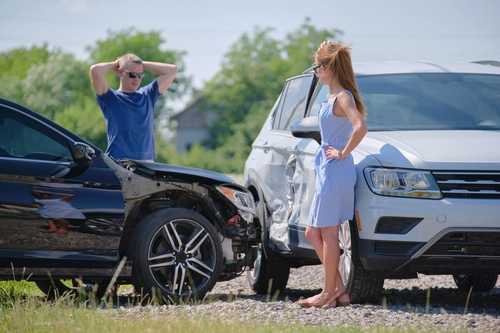
Being partially responsible for a car accident doesn’t mean you lose your right to compensation in Florida. If you’ve been told you’re 50% at fault for a motor vehicle accident, you might think your case is hopeless – but Florida law tells a different story. Under the state’s modified comparative negligence rules, you can still recover exactly half of your damages even when you share equal responsibility for the crash. This legal principle recognizes that accidents rarely involve just one party’s mistakes, and it ensures that injured victims aren’t left empty-handed simply because they made an error too.
???? Pro Tip: Document everything about your accident immediately – even seemingly minor details about road conditions, weather, or the other driver’s behavior could shift fault percentages in your favor.
Facing a 50% fault dilemma in a car accident doesn’t mean you’re out of options. At HL Law Group, P.A., we’re here to help you navigate the complexities and ensure you don’t leave money on the table. Reach out today at (954) 713-1212 or contact us to turn the tide in your favor.

Florida’s 51% Bar Rule: Your Rights When Fault Is Shared
Florida operates under what’s known as the modified comparative negligence system with a 51% bar, codified in Florida Statute § 768.81(6) following the enactment of House Bill 837 on March 24, 2023. This means you can recover damages as long as your fault doesn’t exceed 50%; if you’re found exactly 50% responsible, you’ll receive 50% of your total damages. Before this reform, Florida followed a pure comparative negligence standard that allowed recovery even at 99% fault, making the current 51% bar a significant shift that replaced a framework in place since 1973. Working with a motor vehicle accident attorney in Fort Lauderdale becomes essential when fault percentages are contested, as even a 1% difference can mean the difference between substantial compensation and walking away with nothing.
The practical impact of this law is significant for accident victims. If your damages total $100,000 and you’re found 50% at fault, you’d still recover $50,000. However, if fault assessment tips to 51%, you recover nothing at all. This razor-thin margin makes accurate fault determination critical. Florida law requires courts to enter judgment against each party based on their specific percentage of fault, not joint and several liability, meaning each party pays only their proportionate share.
???? Pro Tip: Never admit fault at the accident scene – statements like "I’m sorry" or "I didn’t see you" can be used against you later, even if the other driver was primarily responsible.
The Path from Accident to Recovery: Understanding Your Timeline
After a motor vehicle accident where fault is disputed, the timeline to resolution follows a predictable pattern. Understanding each phase helps you prepare mentally and financially for what lies ahead. The process typically unfolds over months, not weeks, especially when fault percentages hover near the critical 50% threshold.
- Immediate Post-Accident (0-30 days): Report to police and insurance, seek medical treatment, and begin documenting injuries and damages. Florida law requires law enforcement agencies to submit crash reports to FLHSMV within 10 days after completing the investigation (or to file a preliminary report within 10 days if the investigation will take longer); the ‘up to 90 days’ figure refers to practical data-processing or reporting delays in FDOT systems, not a statutory reporting deadline.
- Investigation Phase (30-120 days): Insurance companies conduct their investigations, often reaching different conclusions about fault percentages. This is when having legal representation proves invaluable.
- Negotiation Period (4-8 months): Your attorney negotiates with insurance companies to establish fair fault percentages and damage amounts. Most cases involving 50/50 fault disputes require extended negotiations.
- Litigation if Necessary (8-18 months): If settlement talks fail, filing a lawsuit may be necessary. Florida’s negligence statute requires defendants to affirmatively plead any fault of nonparties early in the process.
- Final Resolution: Through settlement or trial verdict, fault percentages are finalized and compensation is determined based on those percentages.
???? Pro Tip: Florida’s statute of limitations for negligence claims is now two years from the accident date – don’t wait until the deadline approaches to seek legal help, as building a strong case takes time.
Turning 50% Fault Into Maximum Recovery
Successfully recovering damages when you’re 50% at fault requires strategic legal representation that understands Florida’s comparative negligence nuances. A skilled motor vehicle accident attorney in Fort Lauderdale will work to minimize your fault percentage through thorough investigation, witness testimony, and accident reconstruction when necessary. HL Law Group, P.A. has extensive experience handling cases where fault percentages make or break the claim, understanding that the difference between 50% and 51% fault can mean tens of thousands of dollars in recovery.
The key to maximizing recovery lies in challenging initial fault assessments. Insurance companies often assign higher fault percentages to victims to reduce their payout obligations. However, fault determination involves numerous factors including traffic violations, road conditions, vehicle maintenance, and driver actions. Each factor presents an opportunity to shift fault percentages in your favor. Even reducing your fault from 50% to 45% increases your recovery by 5% of total damages – potentially thousands of dollars.
???? Pro Tip: Keep a detailed injury journal documenting pain levels, missed work, and daily life impacts – this evidence strengthens your damage claims and can influence settlement negotiations.
Critical Factors That Shift Fault Percentages
Understanding what influences fault determination helps you and your motor vehicle accident attorney in Fort Lauderdale build a stronger case. Florida courts consider multiple factors when assigning fault percentages, and seemingly minor details can significantly impact the final determination. Weather conditions, road design flaws, vehicle defects, and even the timing of traffic signals all play roles in accident causation.
Evidence That Moves the Needle
Modern technology provides powerful tools for proving fault percentages. Dashboard cameras, surveillance footage from nearby businesses, and smartphone data can contradict initial police reports or witness statements. Additionally, Florida’s requirement for immediate post-processing of fatal and serious crashes means official data becomes available within a week, while non-fatal crashes may take up to 10 months for location verification. This timeline difference can impact when certain evidence becomes officially available for your case.
???? Pro Tip: Request traffic camera footage immediately after your accident – many systems only retain recordings for 30-60 days before automatic deletion.
Economic Realities of 50% Fault Recovery
When facing 50% fault in a motor vehicle accident, understanding the financial implications helps set realistic expectations. Florida law defines economic damages to include past and future lost income (reduced to present value), medical and funeral expenses, lost support and services, and replacement value of personal property. Each category requires careful documentation to maximize your 50% recovery.
Calculating Your Actual Recovery
The mathematics of comparative fault seems straightforward – 50% fault equals 50% recovery – but the reality involves complex calculations. If you need to consult a lawyer, they’ll explain how future medical costs must be reduced to present value, how lost earning capacity is calculated, and why documenting every expense matters. For example, if your total damages reach $200,000, your 50% recovery of $100,000 must cover all your losses, making accurate damage calculation crucial.
???? Pro Tip: Save every receipt related to your accident – parking fees at medical appointments, prescription costs, and even mileage to treatment all count as recoverable economic damages.
Common Misconceptions About Comparative and Contributory Negligence
Many accident victims misunderstand how fault laws work across state lines. While Florida uses modified comparative negligence allowing 50% recovery, neighboring states follow different rules. For instance, if your accident involved an out-of-state driver or occurred near state borders, different laws might apply. Understanding these distinctions helps when dealing with insurance companies that may incorrectly apply other states’ harsher rules.
Why Florida’s Law Benefits Accident Victims
Florida’s approach is more generous than many states. In pure contributory negligence states like Maryland, Virginia, and North Carolina, being even 1% at fault bars all recovery – a harsh reality that makes Florida’s 51% bar seem reasonable by comparison. Some modified comparative negligence states use a 50% bar (the "less than 50%" rule), meaning exactly 50% fault results in zero recovery. Florida’s inclusion of 50% fault for partial recovery represents a conscious legislative choice to protect accident victims. Defendants often raise various defenses in car accident lawsuits, but Florida’s comparative negligence framework ensures that shared fault doesn’t completely eliminate victim compensation.
???? Pro Tip: If the other driver claims you were speeding or distracted, remember that their negligence still counts – multiple parties can share fault, potentially reducing your percentage below 50%.
Frequently Asked Questions
Understanding Fault and Recovery
These questions address the most common concerns accident victims have when facing significant fault percentages in their motor vehicle accident cases.
???? Pro Tip: Write down your questions before meeting with an attorney – emotional stress can make you forget important concerns during consultations.
Next Steps and Legal Process
Moving forward after learning you share substantial fault requires understanding your options and the legal landscape ahead.
???? Pro Tip: Start your legal consultation by asking about the attorney’s experience with comparative fault cases – not all lawyers regularly handle 50/50 fault disputes.
1. Can I still receive compensation if I’m found exactly 50% at fault for my Fort Lauderdale car accident?
Yes, under Florida’s modified comparative negligence law with a 51% bar, you can recover 50% of your total damages if you’re found exactly 50% at fault. This means if your damages total $80,000, you would receive $40,000. The critical threshold is 51% – at that point, you recover nothing.
2. How do insurance companies determine fault percentages in Florida MVA cases?
Insurance companies investigate by reviewing police reports, interviewing witnesses, examining vehicle damage, analyzing traffic laws violated, and sometimes hiring accident reconstruction specialists. They often initially assign higher fault percentages to reduce their payout obligations, which is why having your own legal representation to challenge these assessments is crucial.
3. What’s the difference between Florida’s comparative fault law and other states?
Florida uses modified comparative negligence with a 51% bar, allowing recovery up to 50% fault. Pure comparative negligence states like California allow recovery even at 99% fault. Some states use a 50% bar, barring recovery at exactly 50% fault. Contributory negligence states like Maryland bar any recovery if you’re even 1% at fault.
4. How long do I have to file a lawsuit if I’m partially at fault for my accident?
Florida’s statute of limitations for negligence claims is two years from the date of your accident. This deadline applies regardless of fault percentages. However, building a strong case to minimize your fault percentage takes time, so contacting an attorney promptly is advisable, especially when fault is disputed.
5. Should I work with a Florida Motor Vehicle Accidents attorney if I’m 50% at fault?
Absolutely. When fault percentages are close to the 51% threshold, skilled legal representation can mean the difference between recovering half your damages or nothing at all. An experienced attorney can challenge fault assessments, gather evidence to reduce your percentage, and ensure all your damages are properly calculated and documented.
Work with a Trusted Motor Vehicle Accidents (MVA) Lawyer
When your fault percentage hovers at the critical 50% threshold, choosing the right legal representation becomes paramount. A law firm with deep understanding of Florida’s comparative negligence laws can identify opportunities to shift fault percentages through thorough investigation, strategic use of evidence, and skilled negotiation. The difference between recovering half your damages or walking away empty-handed often comes down to the quality of your legal advocacy. Experienced attorneys know how to challenge initial fault determinations, properly value all categories of damages, and present compelling arguments that maximize your recovery under Florida law.
Finding yourself tangled in a web of shared fault after a car accident in Fort Lauderdale doesn’t mean you’ve hit a dead end. At HL Law Group, P.A., we’re committed to helping you untangle the complexities and pave a smoother road toward your deserved compensation. Don’t delay; reach out today at (954) 713-1212 or contact us.
Sorry, the comment form is closed at this time.