
Call Today: (855) 713-1212
Slip and fall accidents are a leading cause of injury across the United States, and their frequency in Florida and New York is staggering. In New York City alone, approximately 47,000 slip and fall incidents are reported annually, while Florida’s high volume of retail and hospitality venues results in thousands of slip and fall claim filings each year.
For those injured and their families, the challenges are significant. Proving “notice”—that a property owner knew or should have known about a hazard—is a steep evidentiary hurdle. Additionally, insurance companies often use “comparative negligence” arguments to shift blame onto the injured party.
At HL Law Group, we help the injured overcome these obstacles to secure full compensation for medical expenses and lost wages. Our team understands the nuances of state-specific premises liability statutes. If you or your loved one has been harmed in a slip-and-fall accident, a slip-and-fall attorney from our firm can manage the investigation and expert testimony required to hold negligent property owners accountable. Reach out to us for a free consultation.
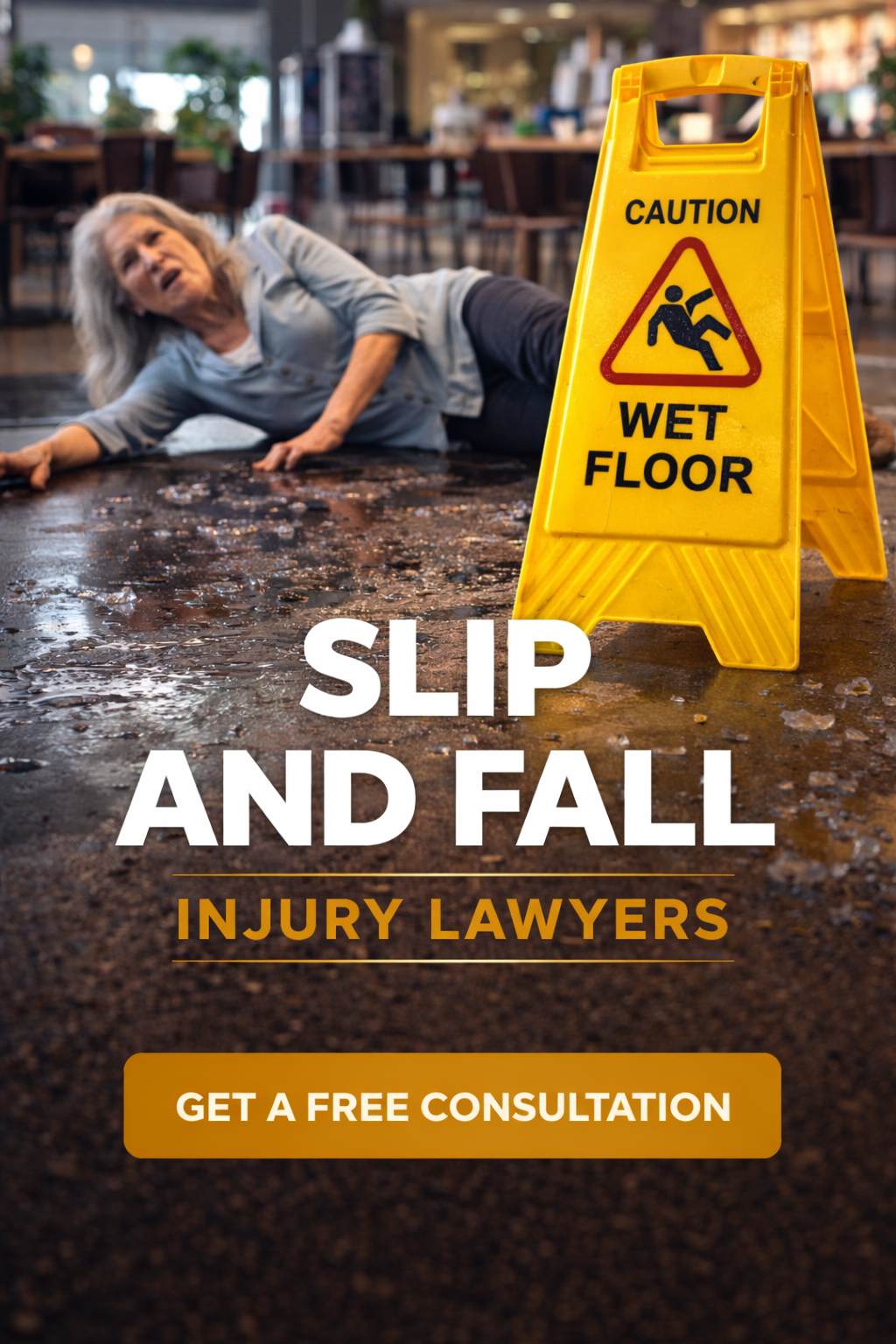
Slip-and-fall incidents often result from preventable hazards that property owners fail to address. Identifying the specific cause is a crucial step in establishing a slip-and-fall claim.
Common causes of slips and falls include the following:
Navigating the evidence required to prove property owner negligence can be complex. Insurance companies often argue that the hazard was “open and obvious” to avoid liability. Consulting a slip-and-fall attorney can help you secure vital evidence, such as surveillance footage and maintenance logs, to demonstrate that the owner had constructive notice of the dangerous condition and failed to address it.
A fall on a hard surface or down a flight of stairs can result in significant physical trauma. In a slip-and-fall claim, documenting the specific nature of the injury is vital to recovering the costs of emergency care and ongoing rehabilitation.
Common injuries associated with these incidents include:
These injuries can lead to chronic pain and limited mobility, which is why timely seeking compensation is crucial to remove further financial strain on the injured party. Speak with a trusted slip and fall attorney from our firm and get the dedicated assistance you need to move forward with your claim.
Establishing fault in a slip and fall claim centers on the legal concept of premises liability. To hold a property owner accountable, a claimant must demonstrate that a hazardous condition existed—such as a liquid spill, uneven flooring, or inadequate lighting—and that the owner had “notice” of the danger.
In Florida and New York, this requires proving either “actual notice,” where the owner knew of the hazard, or “constructive notice,” meaning the hazard existed long enough that it should have been discovered through reasonable inspection.
Evidence is critical to overcome the common defense that a hazard was “open and obvious.” Key documentation to prove your claim includes surveillance footage, floor inspection logs, and internal incident reports.
Based on our experience, insurance companies often attempt to shift the blame to you under comparative negligence rules. Our experienced slip-and-fall attorneys work hard to prove the property owner’s liability and hold them to their duty to maintain safe environments for visitors.
Proving a slip and fall claim is often more difficult than other personal injury matters because the hazard is frequently temporary. Success depends on overcoming specific evidentiary hurdles regarding property maintenance.
Among the common challenges faced are:
Due to the technical nature of “notice” requirements, consulting a slip-and-fall attorney is essential to secure forensic evidence and expert testimony on floor safety standards.
An attorney’s major role in a slip and fall accident claim is to establish that a property owner’s negligence directly caused the injury. Because these cases often hinge on proving “constructive notice”—that the owner knew or should have known of a hazard—the legal investigation is critical.
The key responsibilities of an attorney include:
At HL Law Group, we are familiar with the complexity of premises liability laws. We work to help ensure your rights are protected against discouraging corporate defense strategies.
A sudden slip-and-fall can disrupt your life, leading to mounting medical bills and unexpected time away from work. Whether your accident occurred in a South Florida retail store or a New York City apartment complex, successfully navigating a premises liability claim requires immediate action. Both states have high standards for proving that a property owner had “constructive notice” of a hazard and failed to address it.
Because Florida now follows a 51% bar for negligence and New York maintains strict notice requirements for municipal properties, the evidence gathered in the hours following your fall, such as surveillance footage and incident reports, is vital.
You do not have to manage the complexities of insurance negotiations or legal deadlines alone. If you or a loved one has been injured on someone else’s property, contact a slip and fall attorney for a free, confidential case evaluation.
Call (866) 673-5553 or email [email protected] today. Our team will help you understand your rights and develop a strategy to secure the compensation you need to move forward.
Testimonials
If you have a question about your insurance claim, relating to the coverage you have or about information you received from your insurance carrier, feel free to call our office and speak with one of our attorneys. More than a law firm, HL Law Group is a legal resource for its clients.